Thinking about switching to a plant-based diet? You’re not alone. More and more people are exploring this way of eating, drawn by its potential benefits for health, the environment, and animal welfare. But making the switch can feel overwhelming. What do you eat? Will you get enough nutrients? Where do you even begin?
This guide is here to help. We’ll walk you through everything you need to know about starting a plant-based diet, from understanding the basics to navigating the challenges. You’ll get practical tips, a sample meal plan, and answers to common questions, giving you the confidence to start your plant-based journey.
What is a Plant-Based Diet?
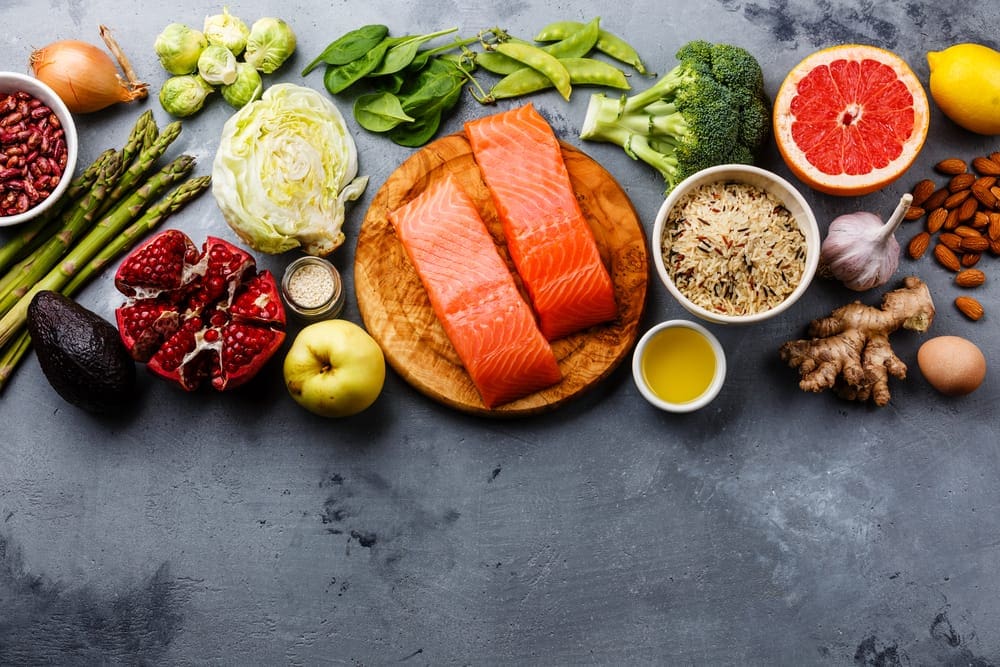
A plant-based diet is a way of eating that focuses on foods primarily from plants. This includes not only fruits and vegetables, but also nuts, seeds, oils, whole grains, and legumes. It doesn’t necessarily mean you have to eliminate all animal products, but it does mean that the majority of your plate is filled with plant-derived foods.
There are several variations, and you can choose the one that best fits your lifestyle and goals:
- Vegan: Excludes all animal products, including meat, dairy, eggs, and honey.
- Vegetarian: Excludes meat, poultry, and fish, but may include dairy and eggs.
- Flexitarian: Primarily vegetarian but occasionally includes small amounts of meat, poultry, or fish.
The key idea is to prioritize whole, minimally processed plant foods.
The Benefits of Eating Plant-Based
Adopting a plant-based lifestyle offers a wide range of benefits that extend from personal health to the planet’s well-being.
Health Benefits
- Improved Heart Health: Plant-based diets are naturally low in saturated fat and cholesterol. Studies have shown they can help lower blood pressure and reduce the risk of heart disease.
- Weight Management: Plant foods are often lower in calorie density and higher in fiber, which can help you feel full and satisfied while consuming fewer calories.
- Lower Risk of Type 2 Diabetes: A diet rich in whole grains, fruits, and vegetables can improve insulin sensitivity and lower the risk of developing type 2 diabetes.
- Cancer Prevention: The high levels of antioxidants, fiber, and phytochemicals in plant foods may help protect against certain types of cancer.
Environmental Benefits
- Reduced Carbon Footprint: Animal agriculture is a major contributor to greenhouse gas emissions. Shifting to plant-based eating can significantly reduce your personal carbon footprint.
- Water Conservation: Producing meat requires vast amounts of water. Growing plant foods is a much more water-efficient way to produce food.
- Less Deforestation: Large areas of forest are cleared to create land for livestock grazing and growing animal feed. A lower demand for meat can help preserve vital ecosystems.
Ethical Benefits
For many, the ethical considerations are a primary motivator. A plant-based diet reduces the demand for factory farming, which often involves inhumane conditions for animals. It also supports a move toward more sustainable and compassionate agricultural practices.
Navigating the Challenges
While the benefits are clear, transitioning to a plant-based diet can present some challenges. Being aware of them can help you prepare and stay on track.
Nutrient Deficiencies
It’s important to ensure you’re getting all the necessary nutrients. Key nutrients to watch include:
- Vitamin B12: This vitamin is not naturally found in plant foods. You’ll likely need to take a supplement or consume B12-fortified foods like plant milks and cereals.
- Iron: Plant-based iron (non-heme iron) isn’t absorbed as easily as the iron from meat. Boost absorption by pairing iron-rich foods (like lentils, spinach, and tofu) with sources of vitamin C (like citrus fruits, bell peppers, and broccoli).
- Omega-3 Fatty Acids: Find these healthy fats in flaxseeds, chia seeds, walnuts, and hemp seeds.
- Calcium: Good plant-based sources include fortified plant milks, tofu, leafy greens like kale and collard greens, and almonds.
Social and Practical Hurdles
- Eating Out: Navigating restaurant menus can be tricky at first. Don’t be afraid to ask for modifications or check menus online beforehand.
- Social Gatherings: Explaining your dietary choices to family and friends can sometimes be awkward. Offering to bring a plant-based dish to share is a great way to introduce others to your new way of eating.
- Meal Planning: A little planning goes a long way. To avoid falling back on old habits, take time each week to plan your meals and prepare ingredients in advance.
Tips for a Successful Transition
Ready to get started? These tips will make the process smoother and more enjoyable.
Start Gradually
You don’t have to go all-in overnight. Try “Meatless Mondays” or aim to make one meal a day fully plant-based. Gradually swap out animal products for plant-based alternatives, like using almond milk instead of cow’s milk in your coffee.
Focus on Whole Foods
Build your meals around fruits, vegetables, whole grains, legumes, nuts, and seeds. While processed plant-based foods (like vegan burgers and cheeses) can be convenient, they shouldn’t be the foundation of your diet.
Plan Your Meals
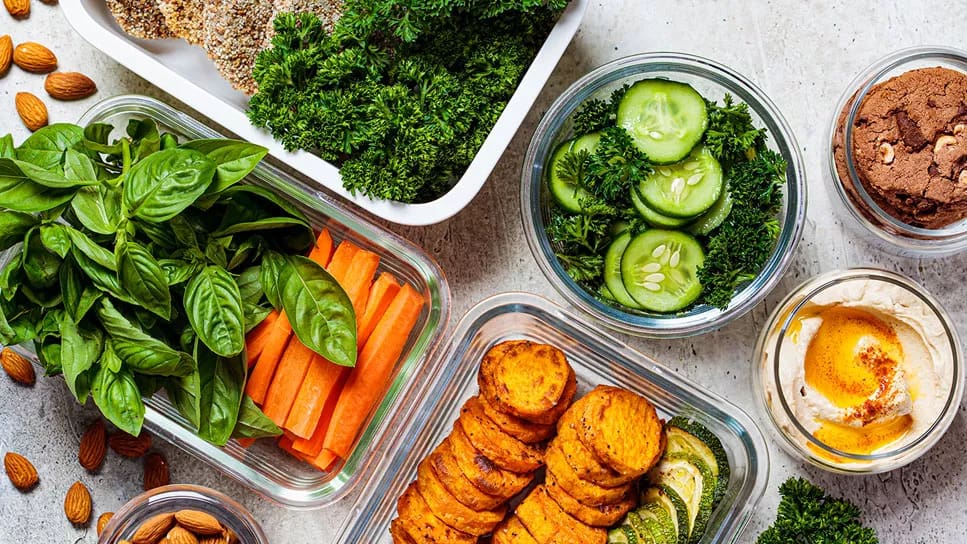
Planning helps ensure you have delicious and balanced meals ready to go. Use cookbooks, blogs, or meal planning apps for inspiration. Batch cooking staples like quinoa, lentils, and roasted vegetables on the weekend can save you a lot of time during the week.
Learn to Cook New Dishes
Explore new recipes and cuisines. You might discover a love for Thai curries, Mexican bean burritos, or Indian lentil dals. Taking a plant-based cooking class can also be a fun way to expand your skills.
Supplement Wisely
Consider taking a vitamin B12 supplement, as it’s the one nutrient that’s difficult to get from plants alone. Pay attention to your iron and omega-3 intake and adjust your diet as needed.
Find Your Community
Connect with others who are on a similar journey. Online forums, social media groups, and local meetups can be great sources of support, recipe ideas, and encouragement.
A Sample Plant-Based Meal Plan
Here’s what a typical day of plant-based eating might look like:
- Breakfast: Oatmeal made with almond milk, topped with fresh berries, walnuts, and a sprinkle of chia seeds.
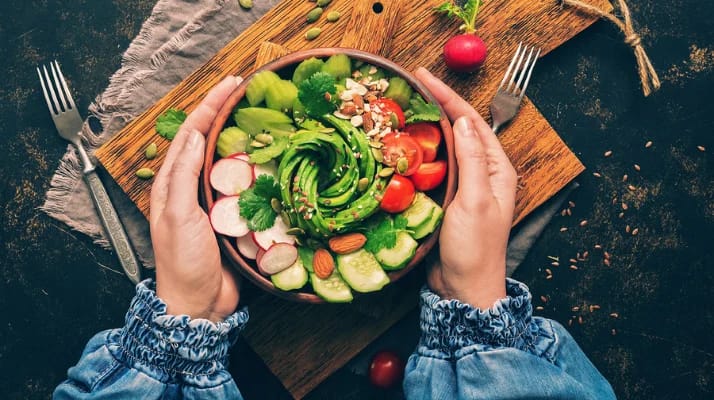
- Lunch: A large quinoa salad with chickpeas, cherry tomatoes, cucumber, bell peppers, and a lemon-tahini dressing.
- Dinner: Hearty lentil soup served with a slice of whole-grain bread and a side salad.
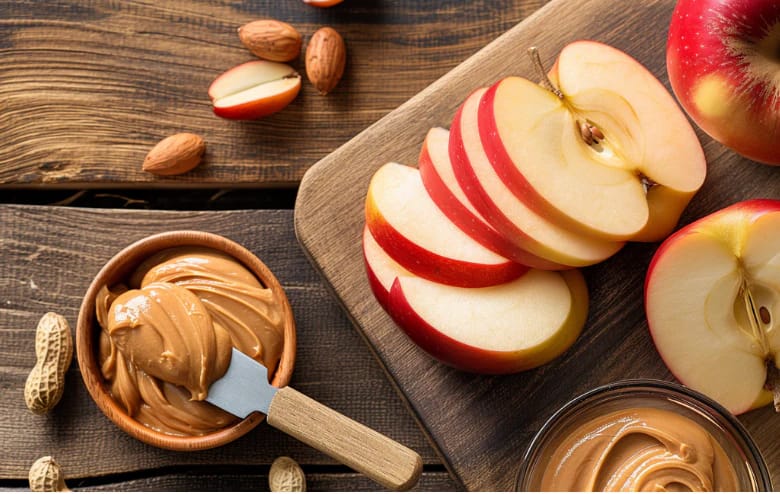
- Snacks: An apple with almond butter, a handful of almonds, or carrot sticks with hummus.
Common Mistakes to Avoid
- Not Eating Enough Calories: Plant foods are less calorie-dense, so you may need to eat larger portions to feel satisfied and get enough energy.
- Relying on Processed Foods: Just because it’s labeled “vegan” doesn’t mean it’s healthy. Prioritize whole foods over highly processed substitutes.
- Neglecting Key Nutrients: Pay special attention to B12, iron, calcium, and omega-3s to avoid deficiencies.
- Not Drinking Enough Water: Hydration is always important, especially with a higher fiber intake.
Your Questions Answered
What are the best plant-based protein sources?
Excellent sources include legumes (lentils, chickpeas, beans), tofu, tempeh, edamame, nuts, seeds, quinoa, and whole grains.
How can I get enough iron on a plant-based diet?
Eat plenty of iron-rich foods like lentils, spinach, tofu, and fortified cereals. To enhance absorption, pair them with foods high in vitamin C, such as oranges, strawberries, or bell peppers.
Is a plant-based diet suitable for athletes?
Absolutely. Many athletes thrive on plant-based diets. The key is careful planning to ensure you’re getting enough calories, protein, and other essential nutrients to fuel performance and recovery.
Your Plant-Based Journey Starts Now
Switching to a plant-based diet is a powerful step you can take for your health and the planet. By starting small, focusing on whole foods, and planning ahead, you can build a sustainable and enjoyable way of eating that nourishes your body from the inside out. Embrace the journey, experiment with new foods, and discover just how delicious and rewarding plant-based eating can be.