Midday energy crashes don’t have to be inevitable. The right snacks can transform your daily energy levels while keeping hunger at bay between meals. Yet many people reach for processed foods that provide temporary satisfaction but leave them feeling sluggish and hungry again within an hour.
Smart snacking isn’t about restricting calories or following complicated rules. It’s about choosing nutrient-dense foods that work with your body’s natural hunger and energy cycles. When you fuel yourself with the right combination of protein, healthy fats, and fiber, you’ll notice sustained energy levels and genuine satisfaction that lasts.
This guide will show you exactly how to snack your way to better energy and appetite control. You’ll discover which foods deliver lasting fullness, learn simple preparation techniques, and get practical tips for making healthy snacking a seamless part of your routine.
Understanding the Basics of Healthy Snacking
A truly satisfying snack contains three key components: protein, fiber, and healthy fats. This combination slows digestion, stabilizes blood sugar, and triggers hormones that signal fullness to your brain.
Protein serves as the foundation for lasting satiety. It takes more energy to digest than carbohydrates or fats, which means your body burns calories just processing it. Protein also helps maintain steady blood sugar levels, preventing the spikes and crashes that lead to cravings.
Fiber adds bulk to your snack without adding excessive calories. High-fiber foods require more chewing, which naturally slows down eating and gives your brain time to register fullness. Soluble fiber also forms a gel-like substance in your stomach, physically contributing to that satisfied feeling.
Healthy fats complete the trifecta by triggering the release of hormones like CCK (cholecystokinin) that signal satiety to your brain. Fats also slow gastric emptying, meaning food stays in your stomach longer and you feel full for extended periods.
Portion control remains important even with healthy snacks. Aim for snacks that contain 150-300 calories and combine at least two of the three macronutrients mentioned above.
Top 10 Healthy Snacks to Keep You Full and Energized
1. Greek Yogurt with Berries
Greek yogurt provides approximately 15-20 grams of protein per serving, while berries add natural sweetness and antioxidants. The combination delivers probiotics for digestive health and the protein helps maintain stable blood sugar levels throughout the afternoon.
2. Almonds and a Piece of Fruit
A small handful of almonds (about 23 nuts) paired with an apple or pear creates the perfect balance of healthy fats, protein, and fiber. The fruit provides quick energy while the nuts ensure lasting satisfaction.
3. Hard-Boiled Eggs
Two hard-boiled eggs contain complete proteins with all essential amino acids. Prepare several at the beginning of the week for grab-and-go convenience. Sprinkle with a pinch of sea salt and black pepper for extra flavor.
4. Edamame
One cup of shelled edamame delivers 8 grams of protein and 8 grams of fiber. This plant-based option works particularly well for vegetarians and provides folate, vitamin K, and iron.
5. Chia Seed Pudding
Mix 2 tablespoons of chia seeds with half a cup of milk (dairy or plant-based) and let sit overnight. The seeds expand to create a pudding-like texture rich in omega-3 fatty acids, protein, and fiber.
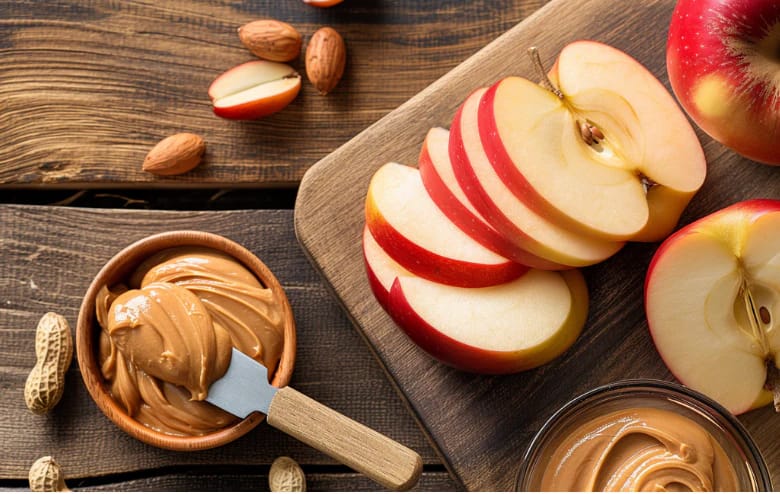
6. Apple Slices with Peanut Butter
Choose natural peanut butter without added sugars or oils. Two tablespoons provide healthy fats and protein, while the apple contributes fiber and natural sweetness. This classic combination offers both immediate and sustained energy.
7. Cottage Cheese with Vegetables
Low-fat cottage cheese contains casein protein, which digests slowly and provides steady amino acid release. Pair with cucumber slices, cherry tomatoes, or bell pepper strips for added crunch and nutrients.
8. Air-Popped Popcorn
Three cups of air-popped popcorn contain only about 90 calories while providing whole grain fiber. Avoid pre-packaged varieties with excessive butter or salt. Instead, season with nutritional yeast, herbs, or a light sprinkle of parmesan cheese.
9. Whole Grain Crackers with Avocado
Choose crackers with at least 3 grams of fiber per serving. Top with mashed avocado and a sprinkle of hemp seeds or everything bagel seasoning for additional protein and flavor.
10. Trail Mix (Homemade)
Create your own blend using raw nuts, seeds, and a small amount of dried fruit. Avoid commercial mixes with chocolate chips or excessive dried fruit. A good ratio is 70% nuts and seeds to 30% dried fruit.
Tips for Mindful Snacking
Before reaching for any snack, pause and assess your hunger level on a scale of 1-10. True physical hunger typically registers around 3-4, while emotional eating often occurs when you’re not physically hungry at all.
Eat snacks away from distractions like computers, phones, or television. This allows you to fully experience flavors and textures while giving your brain time to register satisfaction signals.
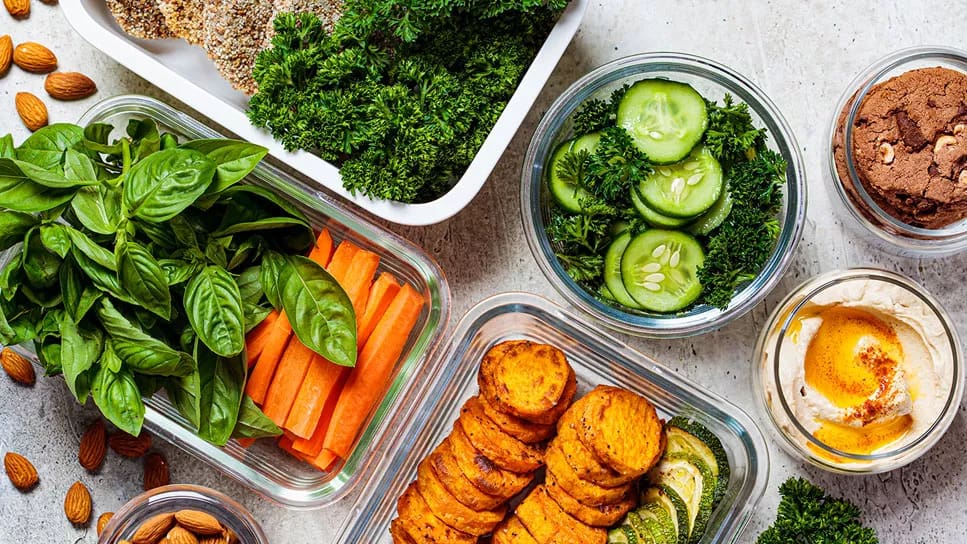
Pre-portion snacks into individual containers or bags during meal prep sessions. This prevents mindless overeating and ensures you have healthy options readily available when hunger strikes.
DIY Snack Recipes
Energy Balls
Combine 1 cup of dates, 1 cup of oats, 2 tablespoons of almond butter, 2 tablespoons of chia seeds, and 1 teaspoon of vanilla extract in a food processor. Process until the mixture holds together when pressed. Roll into 12 balls and refrigerate for at least 30 minutes.
Roasted Chickpeas
Drain and rinse one can of chickpeas. Pat completely dry and toss with 1 tablespoon of olive oil and your choice of seasonings (cumin, paprika, garlic powder). Roast at 400°F for 20-30 minutes until crispy.
Veggie Hummus Cups
Fill small containers with 2 tablespoons of hummus and pre-cut vegetables like carrots, cucumbers, and bell peppers. This provides plant-based protein and fiber while satisfying the desire to crunch.
The Role of Hydration in Snacking
Sometimes thirst masquerades as hunger, leading to unnecessary snacking when a glass of water would suffice. Drink a full glass of water before snacking and wait 10-15 minutes to determine if you’re truly hungry.
Pair snacks with hydrating beverages like herbal tea, sparkling water with lemon, or cucumber-infused water. Green tea contains L-theanine, an amino acid that promotes calm alertness without jitters.
Snacking for Specific Dietary Needs
Gluten-free options: Focus on naturally gluten-free whole foods like fruits, vegetables, nuts, seeds, and plain yogurt. Rice cakes with almond butter or gluten-free oats made into energy balls work well.
Vegan alternatives: Plant-based proteins include nuts, seeds, legumes, and nutritional yeast. Try roasted pumpkin seeds, cashew-based energy balls, or vegetable sticks with tahini.
Low-carb choices: Emphasize protein and healthy fats with options like cheese and olives, deviled eggs, or cucumber slices topped with tuna salad made with avocado instead of mayonnaise.
Common Snacking Mistakes to Avoid
Processed snack foods like chips, crackers, and granola bars often contain hidden sugars and unhealthy fats that trigger cravings rather than satisfaction. These foods are engineered to be hyper-palatable, making it difficult to stop eating once you start.
Sugary drinks provide empty calories without any satiety benefits. Even fruit juices lack the fiber found in whole fruits and can cause blood sugar spikes followed by crashes.
Grazing throughout the day without designated snack times can lead to overeating and disrupted hunger cues. Establish specific snack times, typically mid-morning and mid-afternoon, to maintain regular eating patterns.
Frequently Asked Questions
How often should I snack?
Most people benefit from 1-2 planned snacks per day, typically between meals when there’s a 4-5 hour gap. Listen to your body’s hunger cues rather than following rigid schedules.
What are the best snacks for a mid-afternoon energy slump?
Choose snacks that combine protein and complex carbohydrates, such as apple slices with almond butter or Greek yogurt with a small handful of nuts. These combinations provide steady energy without causing blood sugar crashes.
Are there any healthy snacks for late-night cravings?
Light, easily digestible options work best for evening snacking. Try a small bowl of cherries (which contain natural melatonin), herbal tea with a few almonds, or a small portion of cottage cheese.
How can I make healthy snacking a habit?
Preparation is key to success. Wash and cut vegetables at the beginning of the week, portion nuts into small containers, and keep hard-boiled eggs ready in the refrigerator. Having healthy options immediately available reduces the temptation to grab processed alternatives.
Your Path to Better Energy and Satisfaction
Healthy snacking transforms your relationship with food and energy. By choosing nutrient-dense combinations of protein, fiber, and healthy fats, you’ll experience steady energy levels and genuine satisfaction between meals.
Start by incorporating just one or two of these snack ideas into your weekly routine. Notice how different foods affect your energy and hunger levels, then gradually expand your repertoire of healthy options. With consistent practice, nourishing snacks will become second nature, supporting your overall health and well-being throughout each day.