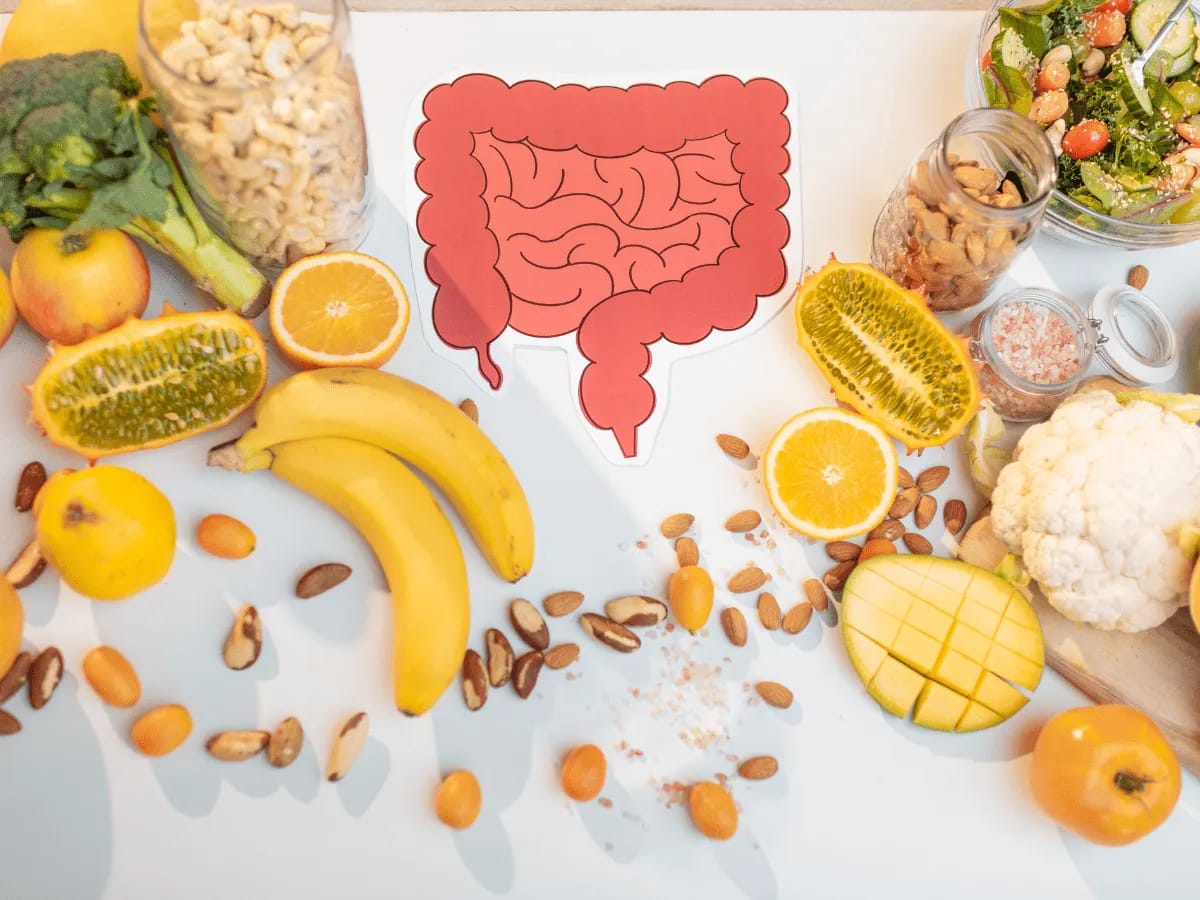
Your gut does far more than digest food. This complex ecosystem houses trillions of microorganisms that influence everything from your immune system to your mood. The relationship between what you eat and how your gut functions creates a powerful feedback loop that affects your entire body.
Scientists now recognize the gut as your “second brain” because of its extensive neural network and direct communication with your central nervous system. This connection explains why you might feel butterflies when nervous or experience digestive issues during stressful periods. Understanding this gut-nutrition relationship empowers you to make informed choices that support both digestive health and overall wellness.
The foods you consume directly shape your gut microbiome—the diverse community of bacteria, fungi, and other microorganisms living in your digestive tract. A balanced microbiome supports proper digestion, nutrient absorption, and immune function. When this balance shifts due to poor dietary choices, it can trigger inflammation, digestive problems, and even impact mental health.
Understanding Gut Health
Your gut microbiome contains approximately 100 trillion microorganisms, outnumbering your human cells by a significant margin. This diverse ecosystem includes both beneficial and potentially harmful bacteria, with the balance between them determining your digestive health.
Beneficial bacteria, such as Lactobacillus and Bifidobacterium, help break down food, produce essential vitamins, and maintain the integrity of your intestinal lining. These microorganisms also communicate with your immune system, training it to distinguish between helpful and harmful substances.
The gut barrier function serves as your body’s first line of defense against toxins and pathogens. A healthy gut lining allows nutrients to pass through while blocking harmful substances. When this barrier becomes compromised—a condition known as “leaky gut”—it can lead to inflammation and various health issues.
Several factors influence gut health beyond nutrition, including stress levels, sleep quality, medications, and environmental toxins. However, diet remains the most controllable and impactful factor in maintaining a healthy microbiome.
The Role of Nutrition in Gut Health
Different foods feed different types of bacteria in your gut, making dietary choices crucial for maintaining microbial balance. Fiber-rich foods serve as prebiotics, providing fuel for beneficial bacteria to thrive and multiply.
Fiber and Prebiotics
Soluble fiber dissolves in water and forms a gel-like substance that slows digestion, helping regulate blood sugar levels. Insoluble fiber adds bulk to stool and promotes regular bowel movements. Both types feed beneficial gut bacteria, which ferment fiber into short-chain fatty acids that nourish colon cells and reduce inflammation.
Prebiotic foods include garlic, onions, asparagus, bananas, and Jerusalem artichokes. These foods contain specific compounds that beneficial bacteria prefer, helping them outcompete potentially harmful microorganisms.
Probiotic Foods
Probiotics are live beneficial bacteria found in fermented foods. Regular consumption of probiotic-rich foods introduces diverse bacterial strains to your gut, supporting microbiome diversity. Yogurt, kefir, sauerkraut, kimchi, and kombucha are excellent sources of natural probiotics.
Anti-Inflammatory Foods
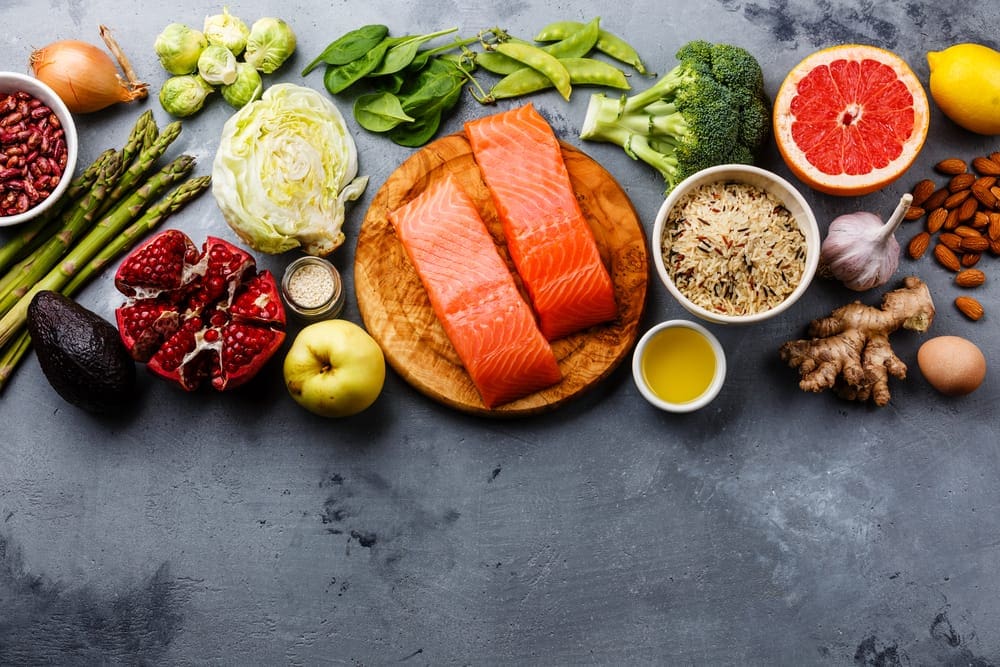
Chronic inflammation can disrupt gut barrier function and alter the microbiome composition. Anti-inflammatory foods like fatty fish, leafy greens, berries, and turmeric help reduce inflammation throughout the body, including the digestive tract.
Foods to Limit
Highly processed foods, excessive sugar, and artificial additives can promote the growth of harmful bacteria while reducing beneficial microbes. These foods often lack the fiber and nutrients that support gut health, creating an environment where inflammation can thrive.
Impact of Gut Health on Overall Well-being
The gut-brain axis demonstrates how digestive health influences mental and emotional well-being. Your gut produces approximately 90% of your body’s serotonin, a neurotransmitter that regulates mood, sleep, and appetite. An imbalanced gut microbiome can affect serotonin production, potentially contributing to anxiety and depression.
Immune System Support
About 70% of your immune system resides in your gut. Beneficial bacteria help train immune cells to respond appropriately to threats while maintaining tolerance to harmless substances. A diverse, healthy microbiome strengthens your body’s ability to fight infections and may reduce the risk of autoimmune conditions.
Nutrient Absorption
A healthy gut efficiently absorbs essential nutrients from food. When the intestinal lining is compromised or the microbiome is imbalanced, nutrient deficiencies can develop even with an adequate diet. This creates a cycle where poor gut health leads to nutritional deficiencies, which further compromise gut function.
Weight Management
Gut bacteria influence metabolism and weight regulation through various mechanisms. Some bacterial strains help extract more calories from food, while others produce compounds that affect appetite hormones. An imbalanced microbiome may contribute to weight gain and difficulty losing weight.
Practical Steps to Improve Gut Health Through Nutrition
Diversify Your Diet
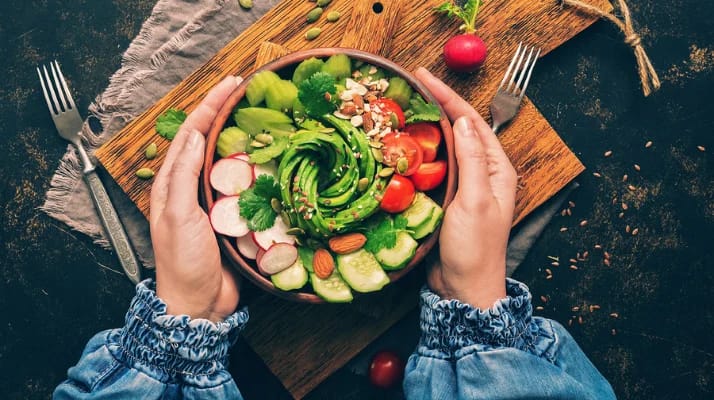
Eating a wide variety of plant foods supports microbiome diversity. Aim for at least 30 different plant foods per week, including fruits, vegetables, whole grains, legumes, nuts, and seeds. Each plant food provides unique fibers and compounds that feed different bacterial strains.
Include Fermented Foods Daily
Start with small portions of fermented foods and gradually increase intake. A tablespoon of sauerkraut, a small serving of yogurt, or a few ounces of kefir can introduce beneficial bacteria to your system.
Prioritize Whole Foods
Choose minimally processed foods whenever possible. Whole grains, fresh fruits, and vegetables provide the fiber and nutrients that support gut health, while processed alternatives often contain additives that may disrupt the microbiome.
Stay Hydrated
Adequate water intake supports healthy digestion and helps maintain the mucus lining of the intestines. Aim for at least 8 glasses of water daily, adjusting based on your activity level and climate.
Manage Stress
Chronic stress negatively impacts gut health by altering the microbiome and increasing intestinal permeability. Practice stress-reduction techniques like meditation, regular exercise, or deep breathing exercises.
Gut Health Improvement Timeline
Timeframe | Expected Changes |
|---|---|
1-3 days | Initial digestive improvements, reduced bloating |
1-2 weeks | More regular bowel movements, increased energy |
1 month | Improved mood, better sleep quality |
3 months | Stronger immune function, reduced inflammation |
6+ months | Sustained improvements in overall well-being |
Frequently Asked Questions
How long does it take to improve gut health through diet?
You may notice initial improvements within a few days of dietary changes, such as reduced bloating or more regular bowel movements. However, significant changes to the microbiome typically take 2-4 weeks. For lasting improvements in overall health, consistency over 3-6 months is recommended.
Can I take probiotic supplements instead of eating fermented foods?
While probiotic supplements can be beneficial, whole fermented foods provide additional nutrients and often contain more diverse bacterial strains. Foods also provide prebiotics that help probiotics survive and thrive in your gut. A combination of both fermented foods and quality supplements often yields the best results.
What are the signs of an unhealthy gut?
Common symptoms include frequent digestive issues (bloating, gas, constipation, or diarrhea), food cravings, mood changes, fatigue, and frequent infections. Skin problems and autoimmune conditions may also indicate gut health issues.
Are all fermented foods equally beneficial for gut health?
Not all fermented foods contain live probiotics. Heat-processed products like many store-bought pickles or sauerkraut may not contain beneficial bacteria. Look for products labeled “contains live cultures” or choose refrigerated options from the produce section.
How does stress affect gut health?
Chronic stress alters gut bacteria composition, increases intestinal permeability, and reduces beneficial bacteria while promoting harmful ones. Stress also affects digestion by altering stomach acid production and gut motility. Managing stress through lifestyle changes is crucial for optimal gut health.
Supporting Your Health From Within
The connection between gut health and nutrition creates opportunities for profound improvements in your overall well-being. By understanding how food choices directly impact your microbiome, you can make informed decisions that support both digestive health and systemic wellness.
Start with small, sustainable changes like adding one fermented food to your daily routine or increasing your vegetable intake. These simple steps can initiate positive changes that compound over time, leading to improved energy, better mood, and stronger immune function. Your gut health journey begins with your next meal—choose foods that nourish both your body and the trillions of beneficial bacteria that call your digestive system home.