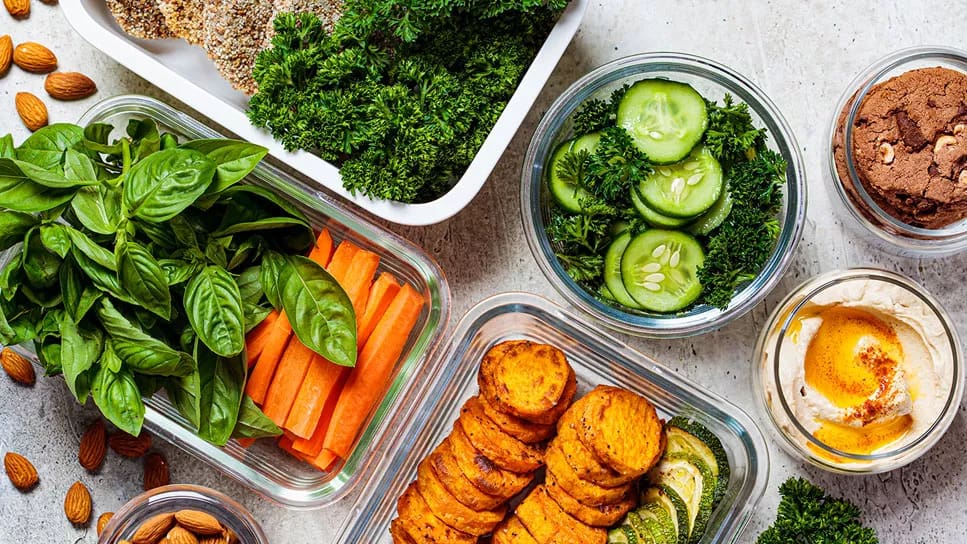
Rather than opening your refrigerator and staring into space before resorting to take-out food, try meal planning.
Dietitian-designed meal plans can assist with creating and adhering to a healthier eating pattern that includes whole foods (such as fruits, vegetables and lean protein) from various food groups and can even help manage chronic health conditions such as high blood pressure or diabetes.
Plan your meals.
A healthy meal plan is an invaluable way to stay on track with meeting your nutrition goals while saving time. It allows you to create an efficient shopping list, plan out what food will be eaten during the coming week, and maintain your budget.
An effective meal plan should be tailored specifically to fit the dietary and health concerns of its individual user. For instance, if you suffer from medical conditions like diabetes or heart disease, such as dietetic consultation may help guide the creation of your plan as part of treatment and overall well-being.
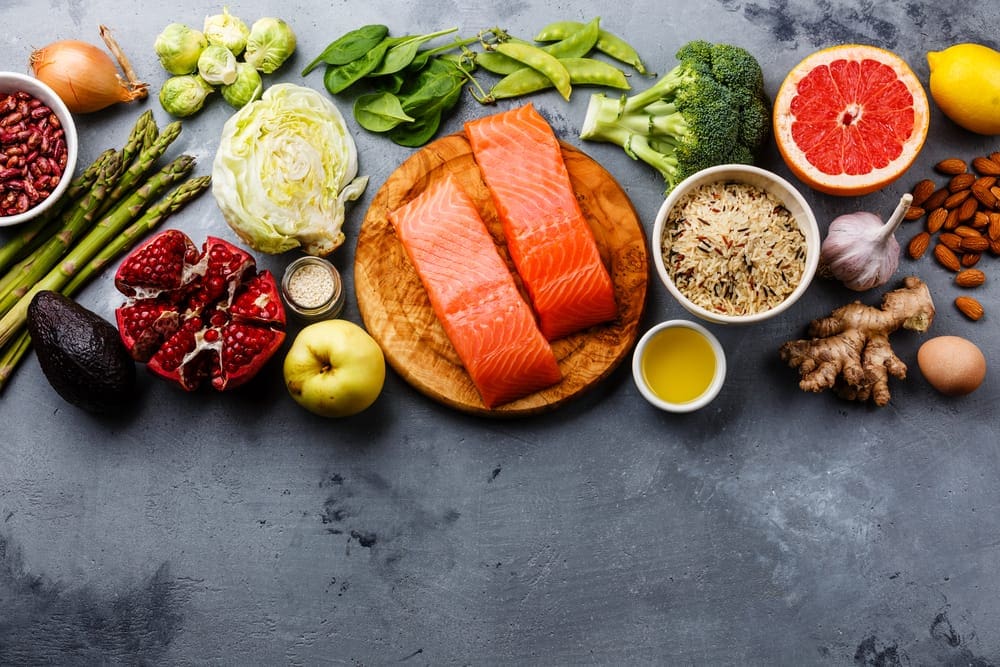
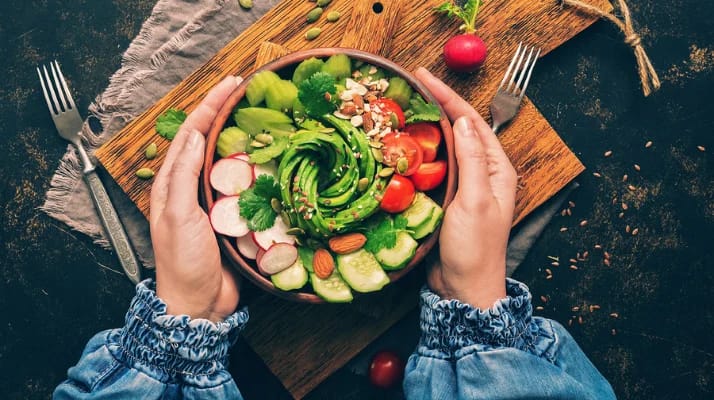
A healthy meal plan typically comprises vegetables (such as broccoli and spinach) and whole fruits; lean protein sources like fish and beans; complex carbs and fiber-rich carbohydrates. Furthermore, including avocado or olive oil in your plan could also provide essential health benefits.
Make time on the weekend to create your weekly meal plan, using something like the USDA MyPlate as a starting point. Plan for busier days by scheduling crock pot meals or bulk-cooking options; add variety to keep meals exciting and engaging by trying new recipes; just don’t be afraid of trying something different every now and then!
Make a grocery list.
Establishing a meal plan is key to eating healthily, but having an organized grocery list can also play an integral role. With its aid, shopping can become quicker and healthier – helping avoid impulse buys of unhealthy options that might tempt us otherwise! Arranging your list by aisle makes shopping even simpler – helping reduce temptation to purchase items higher in calories or sodium content.
Meal planning systems can also help keep track of recipes you want to try and ingredients you run out of, making it easy to find something tasty for dinner or snacks if shared kitchen duties exist. This can be especially useful when working together with partners or family members who share kitchen duties.
As part of your grocery list, be sure to include all meals for that week — breakfast, lunch and dinner — including take-out or quick foods high in added sugars and saturated fats like fast food. Compiling an exhaustive list will also ensure your pantry, fridge and freezer is stocked with essentials like non-fat milk, whole grains, lean proteins fruits & veggies healthy fats like avocado & nuts as well as household items such as napkins cooking utensils & toiletries are fully stocked for the coming week ahead.
Make a meal plan.
While cooking healthy meals when life gets busy isn’t always straightforward, why not create an easy-to-follow meal plan tailored to your schedule? Start by reviewing your calendar to identify days that require special dinners like events or late nights; then check your fridge and pantry to determine what ingredients are already on hand (and record any items that need to be used soon!).
Make these ingredients the cornerstone of your meals and create a shopping list with fresh produce, healthy proteins, whole grains, dairy and fluids such as water and low-fat milk to stay hydrated.
Meal planning can be an invaluable asset to anyone, but especially beneficial for people needing to carefully monitor their food consumption – such as those living with diabetes or heart disease. Meal planning also makes it easier to follow a personalized diet plan from a physician or dietitian.
No matter your health and wellness goals are, meal planning can help you feel energized while saving money, reducing food waste and meeting nutrition requirements. And don’t stress if you don’t stick exactly to a plan outlined – listening to hunger/fullness cues is fine!
Make a shopping list.
Review your recipes and jot down all of the ingredients required (including any items from “red” list that might already be in your refrigerator or pantry). Include everyday staples like milk, cereal and bread; separate lists may be created if your preferences vary widely or you wish to allow flexibility for sales/coupons (especially yellow items).
Make the most of your grocery store visits by creating your shopping list at the end of each day when you know you will be going in, to increase the likelihood that you remember everything that needs to be purchased and to prevent yourself from succumbing to impulse buys at checkout counter.
Consider adding a section for non-food items you need, like toilet paper and shampoo (which can often get forgotten when we are starved and cranky). For maximum efficiency, organize your list according to how your fridge or freezer is set up – this allows you to keep track of what you are buying more easily while seeing exactly what is already there in cupboards. Alternatively, an app or website offering automated meal planning and shopping lists might be more suitable.