An eating plan packed with nutritious food can support your immune system in fighting off illness and maintaining energy levels. Incorporating immune-enhancing superfoods into meals and snacks to strengthen your body and feel your best!
Spinach contains iron, magnesium and vitamin C which all play key roles in oxygen transport and muscle function. Enjoy as part of a smoothie recipe or use as the foundation for salad creation!
1. Spinach
Spinach is an incredible leafy green food packed with essential minerals like calcium, iron and potassium. Additionally, spinach contains vitamin C – which can help strengthen your immune system – as well as special protective carotenoid compounds like lutein and zeaxanthin that have been linked with reduced risks of cancer, eye disease, diabetes and neurodegenerative conditions. Furthermore, spinach’s vitamins K, A and folate content helps lower anemia risk significantly.
Spinach can be added to a wide range of dishes, from salads and soups to pasta and omelets. Incorporating raw and cooked spinach for optimal nutritional benefits.
2. Blueberries
As most of us know, eating well is one of the key ways to strengthen your immune system, and there’s a wide array of delicious immune-boosting foods on offer that are sure to improve it further.
Blueberries contain flavonoids and phytochemicals which have been shown to protect the body against cancer, cardiovascular disease, diabetes and more. Furthermore, they contain vitamin C which supports white blood cell function for enhanced immune response.
Vitamin C can be found in citrus fruits, leafy greens, berries and other nutrient-rich foods that support immunity, according to Geiger. He recommends eating foods such as broccoli with roasted sweet potatoes or beets which is packed with vitamin C as well as an anti-inflammatory amino acid, omega-3 fatty acids, vitamin A and folate; additionally it’s high in antioxidants which protect against free radical damage.
3. Salmon
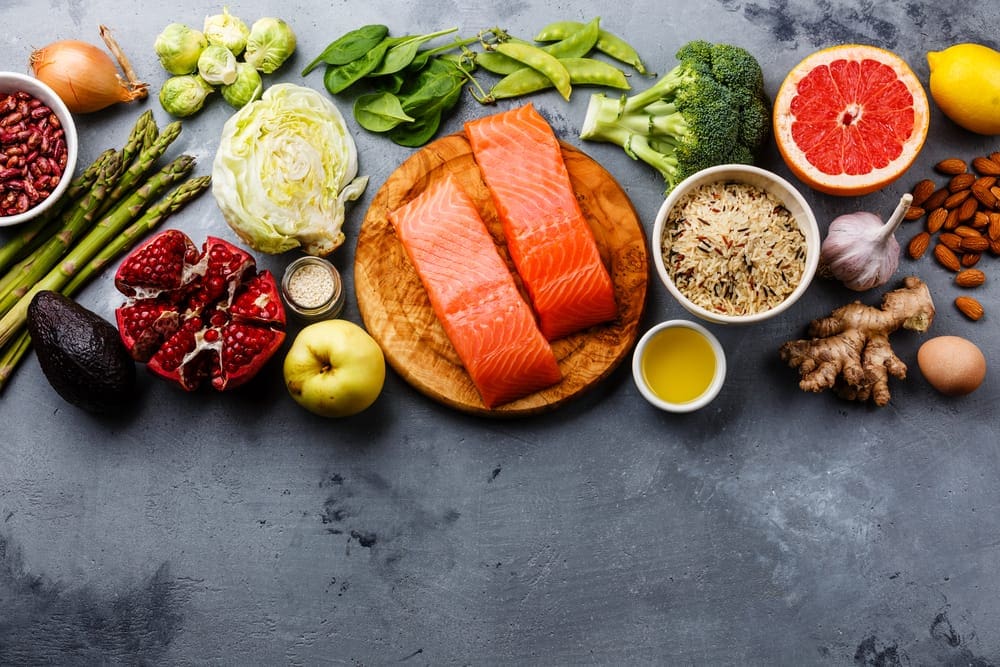
Salmon is an incredibly nutrient-dense food, packed with an impressive array of immune-enhancing vitamins and minerals. As a complete protein source, it contains all of the essential amino acids your body cannot produce on its own; additionally, salmon provides heart-friendly omega-3 fatty acids; it is packed full of vitamin D and selenium which both play important roles in immune health; furthermore it’s great source of Omega 3s!
Salmon’s omega-3 fatty acids help lower inflammation in the body, which is an issue for autoimmune conditions like rheumatoid arthritis. Omega-3s also support brain health, lower blood pressure and triglycerides levels, decrease risk for cardiovascular disease and Type-2 diabetes as well as improve eye and skin health.
Salmon is an excellent source of vitamin B12, an essential element for building DNA and maintaining healthy nerves and blood. To reap its benefits, aim to consume salmon at least twice every week.
4. Quinoa
Quinoa (pronounced keen-wah) has gained notoriety as an increasingly popular superfood due to its high protein and other nutrient content. Furthermore, quinoa’s plant compounds known as saponins may help combat chronic inflammation a factor in many diseases.
As with other healthy whole grains, quinoa is an excellent source of dietary fiber and protein from all essential amino acids. Furthermore, it offers numerous vitamins, minerals and phytochemicals – such as phenolic acids.
Quinoa seeds contain quercetin and kaempferol antioxidant flavonoids that have been found to combat inflammation. Furthermore, they’re an excellent source of niacin (B vitamin) needed for brain functioning and energy production as well as migraine reduction in some individuals (9)
5. Almonds
Almonds (Prunus dulcis) are an incredible superfood full of essential nutrients to support immune health, including iron, riboflavin, magnesium, vitamin E and other antioxidants. Almonds also contain almondine protein which supports white blood cell production that fight infections.
Almonds provide an abundance of plant-based protein, healthy fats (including omega-3 fatty acids), fiber, phytosterols and antioxidants – making them an excellent way to promote cellular health, reduce inflammation and meet heart-healthy cholesterol goals while keeping satiety at bay and keeping cholesterol levels in check.
Almonds are also an excellent source of prebiotic fiber. According to recent research, eating foods like almonds (and other nuts) rich in prebiotic fiber may alter gut microbiome balance positively while improving digestive and cardiovascular health.
6. Green Tea
Studies show that green tea, made from unfermented leaves of Camellia sinensis shrub, contains more disease-fighting polyphenols than its black or oolong counterparts, providing antioxidant protection against oxidative stress while safeguarding cells and organisms alike.
L-theanine found in green tea has been shown to significantly boost immune responses by stimulating production of gamma-delta T lymphocytes that help fight viruses and pathogens, while its anti-inflammatory properties may also provide relief for conditions like arthritis.
Try mixing green tea with ginger for an aromatic boost or opting for Matcha powder, made from the entire leaf and loaded with catechins like EGCG. Beware: Green tea may interfere with iron absorption so avoid drinking it on an empty stomach or alongside meals high in iron. It is wise to limit its consumption if you have liver disease history as this could adversely impact absorption of its catechins.