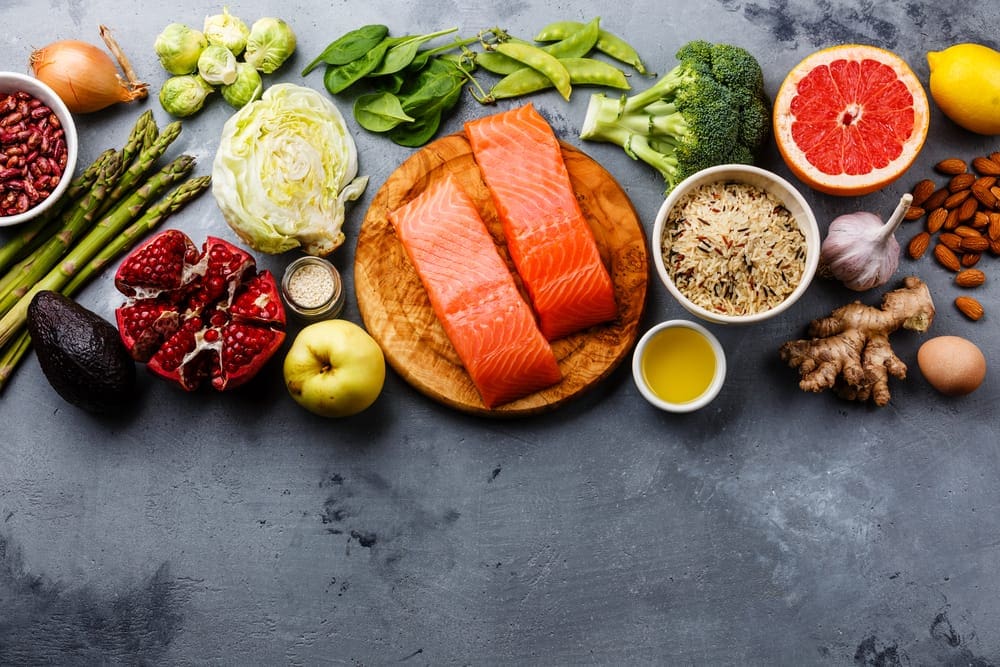
Good nutrition forms the foundation of a healthy, vibrant life. The foods you choose to fuel your body directly impact your energy levels, mood, immune function, and long-term health outcomes. While the world of nutrition can feel overwhelming with conflicting information and trending diets, understanding the fundamentals empowers you to make informed decisions about your health.
This comprehensive guide breaks down the essential components of proper nutrition, from macronutrients and micronutrients to hydration and supplement use. You’ll discover practical strategies for creating balanced meals, debunk common nutrition myths, and learn how to tailor your diet to specific health goals. Whether you’re looking to improve your overall wellness, manage your weight, or enhance athletic performance, this article provides the evidence-based information you need to succeed.
By the end of this guide, you’ll have the knowledge and tools necessary to transform your relationship with food and create lasting, positive changes in your health journey.
Understanding Macronutrients
Macronutrients serve as the primary building blocks of your diet, providing the energy your body needs to function optimally. These essential nutrients—carbohydrates, proteins, and fats—each play unique roles in supporting your health and should be consumed in appropriate proportions.
Carbohydrates: Your Body’s Preferred Fuel Source
Carbohydrates provide 4 calories per gram and should comprise 45-65% of your total daily calories. Your body breaks down carbs into glucose, which fuels your brain, muscles, and other vital organs. Complex carbohydrates found in whole grains, vegetables, and legumes provide sustained energy and important fiber, while simple carbs from fruits offer quick energy along with essential vitamins and minerals.
Focus on nutrient-dense carbohydrate sources like quinoa, sweet potatoes, oats, berries, and leafy greens. These foods provide steady energy without causing dramatic blood sugar spikes that can leave you feeling tired and hungry shortly after eating.
Proteins: Building and Repairing Your Body
Protein contains 4 calories per gram and should make up 10-35% of your daily caloric intake. This macronutrient is crucial for building and repairing tissues, producing enzymes and hormones, and supporting immune function. Complete proteins contain all nine essential amino acids your body cannot produce on its own.
Excellent protein sources include lean meats, fish, eggs, dairy products, beans, lentils, nuts, and seeds. Plant-based proteins can be combined throughout the day to ensure you receive all essential amino acids. For example, pairing rice with beans creates a complete protein profile.
Fats: Essential for Hormone Production and Nutrient Absorption
Dietary fats provide 9 calories per gram and should represent 20-35% of your total daily calories. Despite past misconceptions, healthy fats are essential for hormone production, brain function, and the absorption of fat-soluble vitamins (A, D, E, and K).
Focus on unsaturated fats from sources like avocados, olive oil, nuts, seeds, and fatty fish. These foods provide omega-3 and omega-6 fatty acids that support cardiovascular health and reduce inflammation. Limit saturated fats and avoid trans fats, which can increase your risk of heart disease.
Essential Micronutrients
While macronutrients provide energy, micronutrients enable your body to function properly at the cellular level. These vitamins and minerals are required in smaller quantities but are equally important for optimal health.
Vitamins: Catalysts for Bodily Functions
Vitamins serve as cofactors in numerous biochemical reactions throughout your body. Water-soluble vitamins like Vitamin C and B-complex vitamins need regular replenishment since they’re not stored in your body. Fat-soluble vitamins (A, D, E, K) are stored in your liver and fatty tissues.
Vitamin D supports bone health and immune function, yet many people are deficient due to limited sun exposure. Food sources include fatty fish, fortified dairy products, and egg yolks. Vitamin C boosts immune function and collagen synthesis, found abundantly in citrus fruits, berries, and bell peppers.
Minerals: Building Blocks for Structure and Function
Minerals like calcium, iron, magnesium, and zinc play crucial roles in bone health, oxygen transport, muscle function, and wound healing. Calcium works with Vitamin D to maintain strong bones and teeth, while iron carries oxygen throughout your body via red blood cells.
Dark leafy greens provide multiple minerals including iron, calcium, and magnesium. Nuts and seeds offer zinc and magnesium, while dairy products are excellent sources of calcium. A varied diet rich in whole foods typically provides adequate mineral intake.
The Importance of Hydration
Water comprises approximately 60% of your body weight and is involved in virtually every physiological process. Proper hydration supports nutrient transport, temperature regulation, joint lubrication, and waste elimination through your kidneys.
Benefits of Adequate Hydration
Staying well-hydrated improves cognitive function, energy levels, and physical performance. Water aids digestion by helping break down food and facilitating nutrient absorption in your intestines. It also helps maintain healthy skin by supporting cellular function and toxin elimination.
Dehydration, even mild, can cause fatigue, headaches, difficulty concentrating, and reduced physical performance. Your body’s thirst mechanism isn’t always reliable, especially as you age, making it important to drink water consistently throughout the day.
Practical Hydration Tips
Aim for 8-10 glasses of water daily, adjusting for activity level, climate, and individual needs. Start your day with a glass of water to rehydrate after sleep. Keep a water bottle nearby as a visual reminder to drink regularly.
Foods with high water content, such as cucumbers, watermelon, soups, and smoothies, contribute to your daily fluid intake. Herbal teas and sparkling water provide variety while helping you meet hydration goals.
Creating a Balanced Diet
Building a nutritious diet doesn’t require complicated meal plans or expensive ingredients. Focus on including a variety of nutrient-dense foods from all food groups while paying attention to portion sizes and eating patterns.
Meal Planning and Preparation Strategies
Successful nutrition starts with planning. Dedicate time each week to plan meals and snacks, create a grocery list, and prepare ingredients in advance. Batch cooking grains, proteins, and roasted vegetables saves time during busy weekdays.
Fill half your plate with colorful vegetables and fruits, one-quarter with lean protein, and one-quarter with whole grains or starchy vegetables. This visual guide helps ensure balanced nutrition without counting calories or measuring portions obsessively.
Mindful Eating Practices
Eating mindfully involves paying attention to hunger and fullness cues, eating without distractions, and savoring your food’s flavors and textures. This practice can help prevent overeating and increase meal satisfaction.
Eat slowly and chew thoroughly to improve digestion and allow your brain time to register fullness signals. Put your fork down between bites and engage your senses by noticing colors, aromas, and tastes.
Debunking Common Nutrition Myths
Nutrition misinformation spreads rapidly through social media and popular culture, creating confusion about what constitutes healthy eating. Understanding evidence-based nutrition helps you navigate conflicting advice and make informed decisions.
Myth: Carbohydrates Make You Gain Weight
Carbohydrates don’t inherently cause weight gain—excess calories from any macronutrient can lead to weight gain. Complex carbohydrates from whole foods provide essential energy and nutrients. The key is choosing nutrient-dense options over refined, processed carbs high in added sugars.
Myth: All Fats Are Bad for You
This outdated belief led to the low-fat diet trend of the 1990s, which often resulted in increased sugar consumption. Healthy fats are essential for optimal health and can actually help with weight management by promoting satiety and stable blood sugar levels.
Myth: Supplements Can Replace a Healthy Diet
While supplements can help fill specific nutrient gaps, they cannot replicate the complex nutritional profile of whole foods. Foods contain fiber, antioxidants, and other beneficial compounds that work synergistically to support health.
Nutrition for Specific Goals
Your nutritional needs may vary based on your health and fitness goals. Understanding how to adjust your diet can help you achieve desired outcomes while maintaining overall health.
Weight Loss Nutrition Strategy
Sustainable weight loss occurs when you create a moderate caloric deficit while maintaining adequate nutrition. Focus on foods high in fiber and protein, which promote satiety and help preserve muscle mass during weight loss.
Prioritize vegetables, lean proteins, whole grains, and healthy fats while reducing portions of calorie-dense processed foods. Aim to lose 1-2 pounds per week for sustainable results that you can maintain long-term.
Muscle Gain and Athletic Performance
Building muscle requires adequate protein intake—approximately 0.8-1.2 grams per kilogram of body weight for active individuals. Distribute protein intake throughout the day to optimize muscle protein synthesis.
Athletes and highly active individuals need additional carbohydrates to fuel workouts and support recovery. Time carbohydrate intake around exercise sessions to maximize performance and glycogen replenishment.
The Role of Supplements
While a well-balanced diet should provide most nutrients you need, certain circumstances may warrant supplement use. Factors like age, dietary restrictions, medical conditions, and geographic location can create specific nutrient needs.
Essential Supplements to Consider
Omega-3 fatty acids support heart and brain health, especially important for those who don’t regularly consume fatty fish. High-quality fish oil or algae-based supplements can help meet omega-3 needs.
Probiotics support digestive health and immune function by maintaining beneficial gut bacteria. Vitamin D supplementation may be necessary for those with limited sun exposure or absorption issues.
Consulting Healthcare Professionals
Before starting any supplement regimen, consult with a healthcare provider or registered dietitian. They can assess your individual needs through dietary analysis and laboratory tests, recommending appropriate supplements and dosages.
Some supplements can interact with medications or may be unnecessary if you already consume adequate amounts through food. Professional guidance ensures safe and effective supplement use.
Reading Food Labels
Understanding food labels empowers you to make informed choices about packaged foods. Learning to interpret nutrition facts panels and ingredient lists helps you identify nutritious options and avoid products high in added sugars, sodium, and unhealthy fats.
Key Label Components
Start with serving size information, as all other values on the label relate to this amount. Pay attention to servings per container—many packages contain multiple servings even when they appear to be single-serving items.
Focus on nutrients you want to limit (saturated fat, sodium, added sugars) and those you want to ensure adequate intake of (fiber, protein, vitamins, minerals). The percent daily value helps you understand how a food fits into your overall daily nutrition goals.
Identifying Hidden Ingredients
Sugar can appear under many names on ingredient lists, including high fructose corn syrup, cane juice, and dextrose. Ingredients are listed in descending order by weight, so items listed first make up the largest portion of the product.
Look for shorter ingredient lists with recognizable whole food ingredients. If you can’t pronounce most ingredients or the list is extremely long, the product is likely highly processed.
Transform Your Health Through Better Nutrition
Optimal nutrition isn’t about perfection or following restrictive rules—it’s about making informed choices that support your health and well-being. By understanding macronutrients, micronutrients, and hydration needs, you can create a sustainable eating pattern that energizes your body and mind.
Focus on gradual changes rather than dramatic overhauls. Start by adding more vegetables to your meals, choosing whole grains over refined options, and staying adequately hydrated. Small, consistent improvements lead to significant health benefits over time.
Remember that nutrition is highly individual. What works for one person may not be optimal for another based on genetics, activity level, health status, and personal preferences. Use this guide as a foundation while listening to your body and seeking professional guidance when needed.
Frequently Asked Questions
How much water should I drink daily?
Most adults need about 8-10 glasses (64-80 ounces) of water daily, though individual needs vary based on activity level, climate, and overall health. Monitor your urine color—pale yellow indicates good hydration, while dark yellow suggests you need more fluids.
Can I get enough protein on a plant-based diet?
Yes, plant-based diets can provide adequate protein when properly planned. Combine different plant proteins throughout the day, such as beans with grains, to ensure you receive all essential amino acids. Quinoa, hemp seeds, and spirulina are complete plant proteins.
Are organic foods worth the extra cost?
Organic foods reduce exposure to pesticides and may have slightly higher levels of certain nutrients. The “Dirty Dozen” list identifies produce items with highest pesticide residues that may be worth buying organic. However, conventional fruits and vegetables are still nutritious and better than no produce at all.
How do I know if I need supplements?
A blood test can reveal specific nutrient deficiencies, while a food diary can help identify potential gaps in your diet. Common deficiencies include Vitamin D, B12 (especially for vegans), iron, and omega-3 fatty acids. Consult a healthcare provider for personalized recommendations.
What’s the best diet for weight loss?
The best diet for weight loss is one you can stick to long-term that creates a moderate caloric deficit. Mediterranean, DASH, and plant-based diets have strong research support for both weight loss and overall health. Focus on whole foods, adequate protein, and foods that keep you satisfied rather than following extreme restrictions.