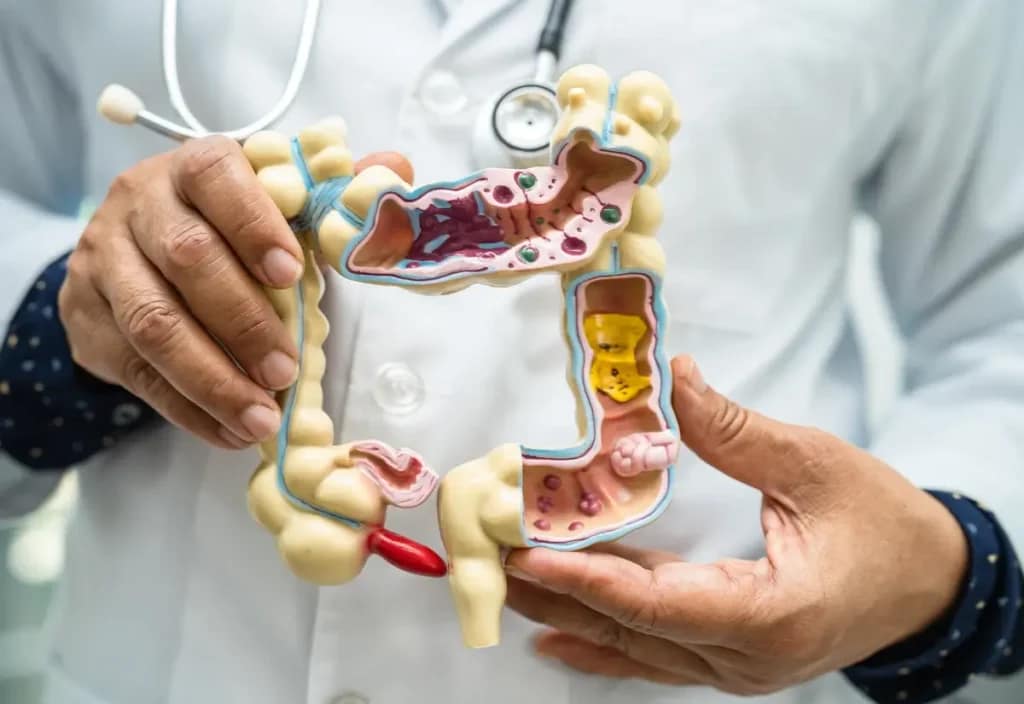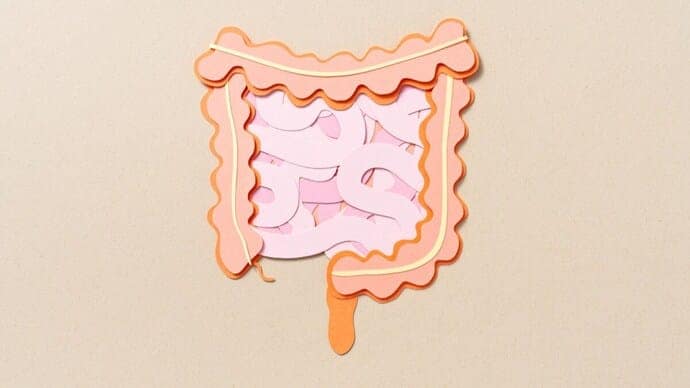
When most people think of health, they think of exercise, nutrition, or sleep. But healthy gut flora is also crucial and essential for your overall well-being. The gut microbiome refers to the trillions of microorganisms that live in your digestive system. These small but powerful microorganisms influence not only your digestion but also your immune system, mood, energy, and even how your brain functions.
This beginner’s guide explains the importance of healthy gut flora, how it impacts your daily life, and how you can protect it. Whether you’re just starting your health journey or looking for simple ways to improve your energy and nutrition, understanding your gut flora is an important step toward better health.
How healthy is your gut flora? What is gut flora?
Healthy gut flora is defined by the part of your digestive system known as the gut flora. Gut flora consists of viruses, bacteria, fungi, and other small organisms that primarily live in the gut flora. While the word “bacteria” may sound unappealing, many bacteria are actually beneficial for the body.
These beneficial bacteria help break down food, absorb nutrients, and synthesize essential vitamins. More importantly, they suppress harmful bacteria, strengthen the immune system, and communicate with the brain via the gut-brain connection. Simply put, a healthy gut means a healthier you.
The Importance of a Healthy Gut
A healthy gut is about more than just nutrition; your gut is connected to almost every system in your body. Healthy bacteria help:
Strengthen your immune system: Your gut contains 70% of your immune system and is your first line of defense against disease.
Improve your mental health and mood: Neurotransmitters like serotonin are produced in your gut and influence your mood and feelings.
Increased energy: When your body digests and absorbs nutrients properly, it maintains high energy levels.
Reduce inflammation: A healthy gut can reduce your risk of chronic conditions like diabetes and heart disease.
If your gut is out of balance, you may experience bloating, fatigue, mood swings, or frequent illness. This imbalance is called dysbiosis and can lead to long-term health problems.
How do you know if you have poor gut health?
Many people are unaware that their gut health is poor.
Here are some common symptoms:
- Constipation, gas, or bloating are all examples of digestive problems.
- Food intolerances or allergies
- Frequent colds or viral infections
- Low energy and poor sleep quality
- Mood swings or unexplained worries
If you notice these symptoms, you may need to pay more attention to your gut.
How to improve your gut health
The good news is that you can improve your gut flora with a few simple lifestyle changes. Here are some proven ways:
Eat more fiber-rich foods
The good bacteria in your gut need fiber to stay healthy. Whole grains, legumes, fruits, and vegetables are good sources of these nutrients and help your microbiome grow and diversify.
Take prebiotics and probiotics as supplements
Foods like yogurt, kefir, cabbage, and kimchi contain probiotics, living bacteria that are beneficial to the body. Prebiotics, on the other hand, are grains that these bacteria eat. They work together to build a solid foundation for a healthy gut.
Drink water
Water helps your body digest food and keeps your stomach lining healthy, allowing nutrients to be absorbed more easily.
Reduce your intake of sugar and processed foods
Excessive sugar and processed foods can promote harmful bacteria, which can lead to a dangerous imbalance. Instead, eat unprocessed, nutrient-rich foods.
Stay calm and get enough sleep
Stress and lack of sleep can disrupt the connection between your gut and brain. Mindfulness, calming techniques, and a consistent sleep schedule can help maintain a healthy gut.
FAQS
Have you ever felt anxious when you were afraid?
That’s the gut-brain connection. Because these systems communicate with each other, healthy gut flora can influence your mood, memory, and even your response to stress. Studies show that people with healthy gut flora are less depressed and anxious.
Taking good care of your gut isn’t just good for your stomach; it can also make you smarter, happier, and more emotionally balanced.
Which foods are best for healthy gut flora?
A balanced gut flora. Managing stress is crucial for maintaining healthy gut flora.
Do I need medication to maintain healthy gut flora?
Not always. Probiotics or fiber supplements can help, but most people can achieve healthy gut flora through a healthy diet and lifestyle.
What should I do first if I think my gut flora is not healthy?
You can start by reducing your consumption of ready-made meals, drinking more water, and increasing your fiber intake. If the problem persists, consult a doctor.
Summary
A healthy gut flora is not only important for digestion; it is the foundation of your overall health. Good bacteria support your immune system, give you more energy, improve your mood, and prevent illness. You can maintain healthy gut flora by eating fiber-rich foods (including probiotics and prebiotics), drinking enough water, managing stress, and getting enough sleep.
Remember that small, daily decisions can lead to big, lasting changes. If you take good care of your gut today, you’ll be a better and happier person tomorrow.