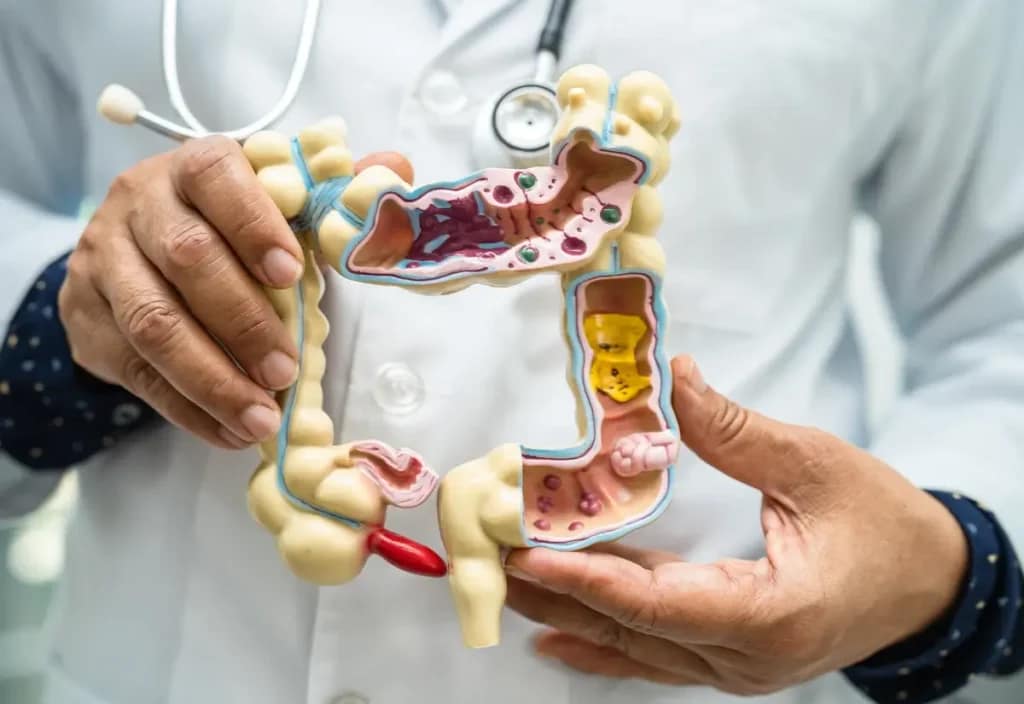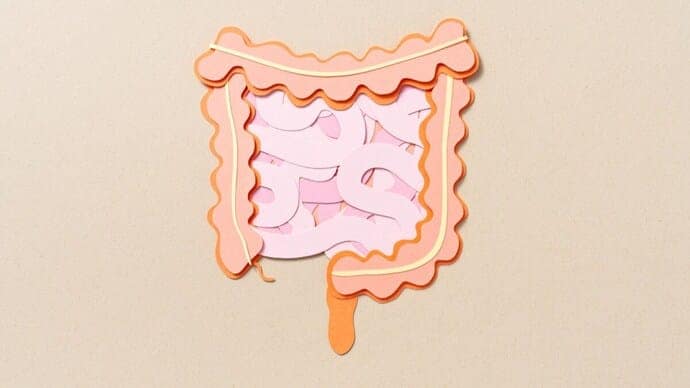
In the past few years, the gut microbiome has become one of the most interesting areas of health study. There are trillions of bacteria, fungus, and other microbes living in your gut system. These microbes are very important for digestion, defense, and even your mental health. It’s amazing how the things you do every day, like what you eat and how much sleep you get, can either help this bacteria environment grow or throw it off. It’s important to know how your lifestyle affects your gut bacteria if you want to improve your health, energy, happiness, and nutrition.
This piece will talk about how your food, exercise, sleep, and daily habits affect the bacteria in your gut. Along with answers to common questions people have about gut health, you’ll also find useful tips on how to make better choices.
Why the gut microbiome is important
The microbiome in your gut is a live, changing environment. The mix of germs in each person is different and depends on their genes, surroundings, and way of life. Your microbiome helps break down food, make vitamins, keep your immune system in check, and defend you against dangerous bacteria when it is diverse and healthy. But when balance is upset, which is often called dysbiosis, it can lead to stomach problems, a weaker immune system, weight gain, and even mental health problems like sadness and worry.
That being said, you can have a big impact on this environment by changing how you live. Even small changes can have big effects.
What you eat has the most impact on your gut
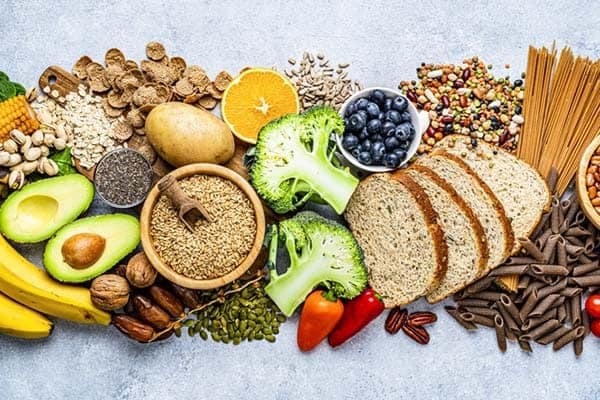
The single most important thing that affects your microbiome is what you eat. Fruits, veggies, beans, whole grains, and fiber-rich foods are good for you because they contain prebiotics, which are special plant fibers that feed good bacteria. These germs need food like garlic, onions, bananas, and oats to stay alive. This helps keep the gut environment diverse and healthy.
On the other hand, eating a lot of processed foods, sugary sugars, and bad fats can lower the variety of microbes and help dangerous bacteria grow. Eating foods like yogurt, kefir, sauerkraut, and kimchi that are high in probiotics can also help your body’s good bacteria and digestion.
To put it simply, every meal gives you a chance to feed the good or bad bugs in your gut.
Exercise: Getting your body moving and improving your microbes
Regular exercise is good for more than just your heart and muscles; it also helps keep your gut microbiome healthy. Researchers have found that people who work out daily have a wider range of microbes than people who don’t do much. Better blood flow to the gut from exercise can help digestion and may also increase the number of good bacteria that are linked to lower inflammation and a stronger immune system.
When done regularly, even modest exercises like walking, riding, or yoga can help change things for the better in the gut.
Stress is a silent enemy of gut health
Stress affects more than just your mind; it also affects your gut. Gut and brain are linked by the gut-brain axis, a system that lets your digestive system and nerve system talk to each other. When you’re under a lot of stress, your body makes hormones like cortisol, which can throw off the balance of microbes and make digestion slower.
Mindfulness, meditation, deep breathing, or even just spending time in nature can help your gut get back in balance. Not only does lowering your stress help your mental health, but it also makes a good setting for healthy germs to grow.
The Unsung Hero for Gut Health
Problems with digestion, cravings for bad foods, and a weaker immune system are all often linked to not getting enough sleep. All of these things affect your microbiome. According to research, having trouble sleeping can lower the variety of microbes in the body and raise the risk of inflammation.
Most people need between seven and nine hours of good sleep every night to keep their hormones in check, keep their gut healthy, and let their bodies fix and restore balance in the microbiome.
Drugs, drinking, and other habits we do every day
In addition to what you eat and how much you move, the antibiotics you use, the amount of booze you drink, and smoking all have a big effect on your gut bacteria. There is no doubt that antibiotics save lives, but they also kill both good and bad germs, which can cause problems. When drunk in large amounts, alcohol upsets the balance of microbes and can make dangerous bacteria grow. Another thing that hurts gut health is smoking, which increases inflammation and lowers the number of good bugs.
On the bright side, eating slowly, drinking enough water, and eating at regular times can all help keep your gut healthy.
Making changes to your lifestyle that are good for your microbiome
Gut health is great because it changes pretty quickly when you make changes to your habits. If you change what you eat, work out daily, lower your stress, and get better sleep, you may notice gains in your digestion, energy, happiness, and general health within a few weeks.
Your gut health can get better over time if you make small, long-lasting changes, like adding more grain to your meals, going for daily walks, or learning how to deal with stress.
Questions That Are Often Asked
How quickly can changing the way I live make my gut health better?
Within days or weeks, things can start to get better. For instance, eating more fiber-rich foods and less processed foods may quickly boost the growth of good bugs. But long-term stability is important for benefits that last.
Can probiotics fix gut issues on their own?
Probiotics can be helpful, but they won’t fix everything. For long-lasting results, they should be used with a healthy diet, regular exercise, learning how to deal with stress, and good sleep habits.
Is it true that stress can cause digestion problems?
Yes. The gut-brain connection is affected by stress, which changes the bacteria in the gut and how nutrition works. This is why worry can cause gas, gut pain, or other digestive problems.
For a good microbiota, do I have to stay away from all prepared foods?
No, not really. Even though it’s best to eat less prepared foods, it’s okay to treat yourself once in a while. Balance and modesty are better for the long term than complete removal.
How can I tell if the microbiota in my gut is out of whack?
Frequent bloating, abnormal bowel movements, tiredness, food intolerances, and a weakened immune system are all common signs. It is suggested that you see a doctor if the symptoms don’t go away.
In conclusion
The things you do every day affect the balance and variety of the bacteria in your gut, which is important for your general health. A diet high in fiber, frequent physical exercise, good stress control, and regular sleep all help the gut environment thrive. In the meantime, you can keep your bacteria healthy by cutting down on drugs, booze, and processed foods.
By making conscious choices about your lifestyle, you’re not only helping your stomach, but you’re also building a stronger immune system, a better mood, and long-term health. For a healthier gut tomorrow and a healthier you in the long run, make small changes today.