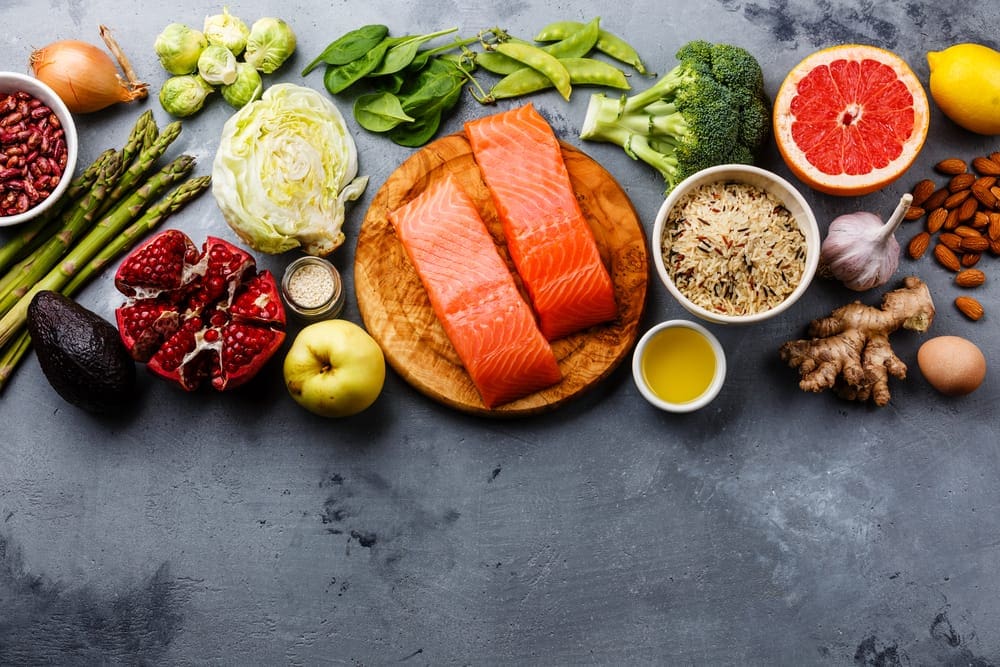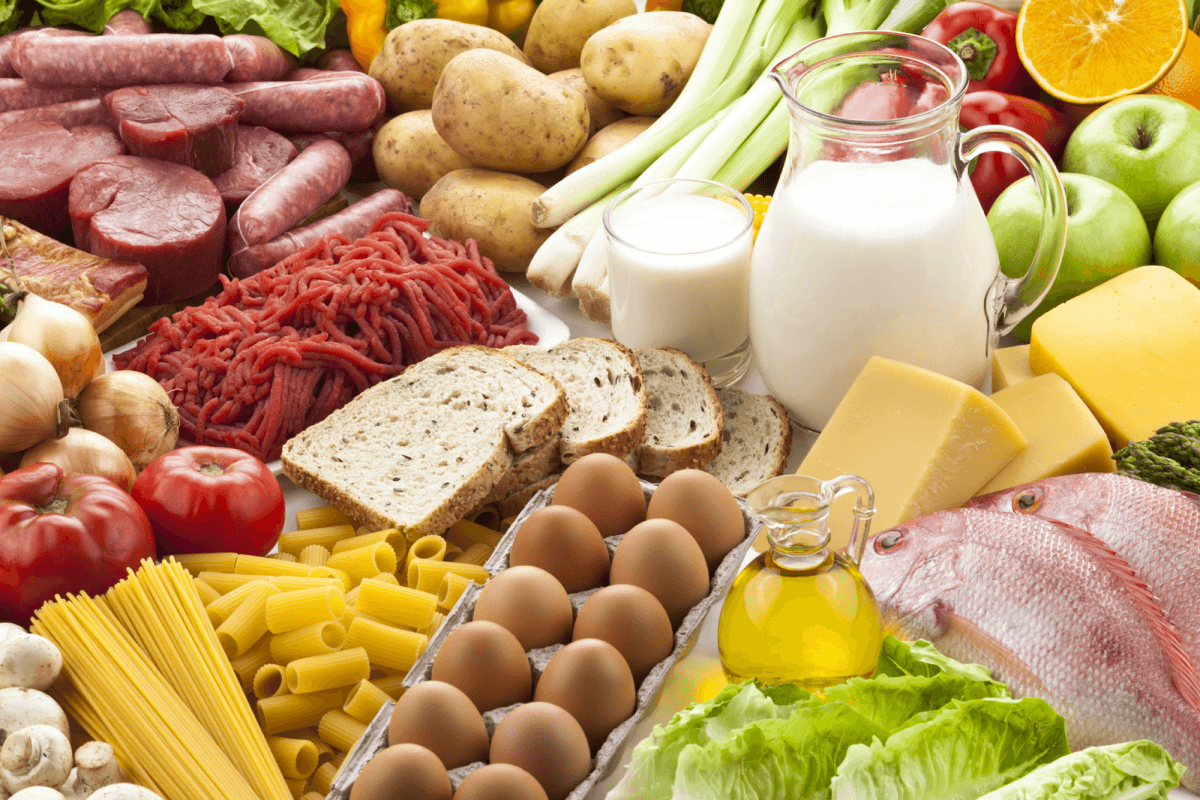
Balanced nutrition is about eating a wide variety of nutrient-rich foods that will, over time, help you achieve and maintain good health.
Try to fill your plate with mostly vegetables and fruits, whole grains and lean proteins. Limit sugary drinks and eat foods high in fat, salt and added sugars less often.
Carbohydrates
Carbohydrates are the body’s primary fuel. When carbohydrates are digested they are broken down into simple sugars which are absorbed into the bloodstream as glucose and used for energy by cells throughout the body, especially in the brain. Without sufficient carbohydrate intake, the blood levels of glucose may drop to a level that can cause symptoms such as fatigue, dizziness and weakness.
All carbohydrates are made up of carbon (C), hydrogen (H) and oxygen (O) atoms in the ratio of 2:1 (carbon-hydrogen). The carbohydrate molecules differ chemically, and are categorized into types according to their number of sugar units and the way they are linked together: monosaccharides composed of one sugar (glucose, fructose and lactose), disaccharides composed of two sugars (maltose, sucrose and lactose) and polysaccharides consisting of many sugars (starch and glycogen).
Carbohydrates are found in a wide variety of foods, including natural fruits and vegetables, grains and legumes, whole-wheat bread, pasta and rice. Some processed foods contain carbohydrates as well, including candies and cookies, regular and diet pop, table sugar, honey and syrup. High-carbohydrate foods should be eaten sparingly, since they provide empty calories that can lead to excess weight gain. Healthy carbohydrates are a good source of fiber, which is important for digestive health and helps lower cholesterol. The recommended amount of fiber is 25 to 30 grams (g) daily.
Protein
Protein is an important part of any meal and it provides your body with many essential functions. It helps maintain and build muscles, supports the immune system and is necessary for proper digestion and metabolism. A healthy and balanced diet includes protein in every meal and snack. Protein can be obtained from a variety of sources including beans, lentils, peas, nuts, seeds, tofu, fortified soy beverages and lean meats like poultry, fish or shellfish. To get the most out of your protein intake, choose complete proteins (those that provide all nine essential amino acids). This will allow you to maximize the thermic effect of food and keep you feeling full longer.
A well-balanced diet is one that includes a variety of foods from each of the major food groups in the amounts recommended by Canada’s Eatwell Guide. Eating a healthy diet that is rich in fruit, vegetables, whole grains, lean proteins and healthy fats can boost your energy levels, reduce your risk of chronic diseases, and help you feel your best.
Aim to fill half of your plate with fruits and vegetables at each meal and snack. A serving of fruit is a single piece or cup and a serving of vegetables is one cup or two cups of leafy greens. Avoid highly processed foods, which are often high in saturated fat, salt and added sugars.
Fats
Fat gets a bad rap, but it plays an important role in our bodies. It cushions organs, stores energy, insulates us against the elements and supports cell growth. It also helps with absorption of certain vitamins, including vitamin D. Fats come in many forms, but industrial trans-fat and saturated fat increase your risk for heart disease and stroke. Healthy, unsaturated fats such as those found in olive oil and canola oil, lower-fat dairy and nuts reduce your cardiovascular disease risk.
Aim for unsaturated fats as part of your daily diet. However, remember that fats are higher in calories per gram than any other nutrient, so it’s still important to be mindful of your portion sizes.
Try to avoid trans-fats and limit saturated fat. Instead, choose healthier fats such as those found in leafy vegetables, berries, avocados, nuts, seeds and olive oil and lean meats, poultry and fish.
Balanced nutrition is the most important thing you can do to improve your health. It is about incorporating all the food groups into your day, while limiting processed foods and alcohol. For more information on achieving balanced nutrition, check out Canada’s Eatwell Guide and talk to your healthcare provider or registered dietitian for more personalized guidance.
Vitamins & Minerals
Vitamins and minerals are essential nutrients that perform many vital functions in your body. They help shore up bones, heal wounds and support your immune system; they also convert food into energy and repair cellular damage. But a stroll down the supplement aisle can make your eyes water with the alphabet soup of acronyms like RDA and DV on the package labels.
Vitamins are organic substances that are produced by living things (like carrots, which produce beta carotene). Minerals are inorganic elements found in soil and water that are absorbed by plants or eaten by animals. Vitamins come in 13 essential categories (A, C, D, E and K, plus 8 vitamins in the B complex) and minerals are found in foods including eggs, milk, green vegetables, whole grains, bananas, apricots, fish and lean meats.
Most people can meet their vitamin and mineral needs by eating a well-balanced diet, but in some cases supplements are needed. The amount of vitamins and minerals you need depends on your health history, dietary intake and any deficiencies you may have been diagnosed with. If you do choose to take a supplement, talk with your doctor to make sure you’re getting just the right amounts for you.