Everyone ages, but how we age depends largely on the lifestyle choices we make throughout our lives. Research shows that exercise is one of the best ways to promote healthy aging and extend lifespan, although genetics also play a role. Exercise goes beyond just improving your physique or losing weight; it can also help you maintain your independence, improve your thinking skills, maintain a healthy heart, and extend your healthy lifespan. In this fast-paced world, where health problems increase with age, exercise remains crucial for those who want to age peacefully and energetically.
Why Exercise Is Crucial for Healthy Aging
It’s normal for the body to lose muscle, bone structure, and flexibility as we age. This loss of strength can lead to frailty, reduced mobility, and increased susceptibility to chronic conditions such as heart disease, diabetes, and osteoporosis. Regular exercise, on the other hand, can slow these processes and often even reverse their effects. Exercise strengthens the heart and lungs, improves circulation, and promotes muscle and joint mobility. Staying physically active helps older adults remain independent longer and reduces their reliance on medications and other supportive treatments.
Another important benefit of exercise as we age is its impact on mental health. Physical activity releases endorphins, a natural mood enhancer. It also stimulates blood flow to the brain, which benefits brain health. Studies have linked daily exercise to a lower incidence of cognitive decline and conditions like Alzheimer’s disease. This suggests that exercise is crucial for both physical and mental health, especially for maintaining healthy aging.
Exercise Promotes Longevity
One of the most obvious benefits of exercise for older adults is that it improves flexibility and stability. Falls are a major cause of injury in older adults, but regular exercise strengthens muscles and improves joint stability, reducing the risk of accidents. Weight-bearing activities like walking, jogging, and even dancing help maintain strong bones and reduce the risk of fractures.
Exercise is also good for heart health, which is crucial for longevity. As we age, we are more susceptible to heart disease and high blood pressure due to the natural thickening of our arteries. Regular aerobic exercise helps maintain healthy cholesterol levels, strengthens the heart, and improves circulation. Exercise also helps manage weight and reduces stress on the heart and joints. By keeping ourselves physically active, we not only live longer but also enjoy life to the fullest.
Exercise is good for both our physical and mental health as we age
Healthy aging means more than just staying in good shape; it also means maintaining a sharp mind and a positive mood. Research shows that exercise promotes the growth of new brain cells and strengthens the connections between them, which improves memory, concentration, and learning ability. People over 50 who exercise daily are less likely to experience depression or anxiety and often report feeling more meaningful and purposeful in their lives.
Exercise can also significantly help manage stress. Yoga, tai chi, and mindful walking are all activities that combine movement with relaxation. This can help the body lower stress hormones. This mind-body connection is crucial for maintaining balance, mental and physical well-being, and overall health as you age.
Types of Exercise That Promote Healthy Aging
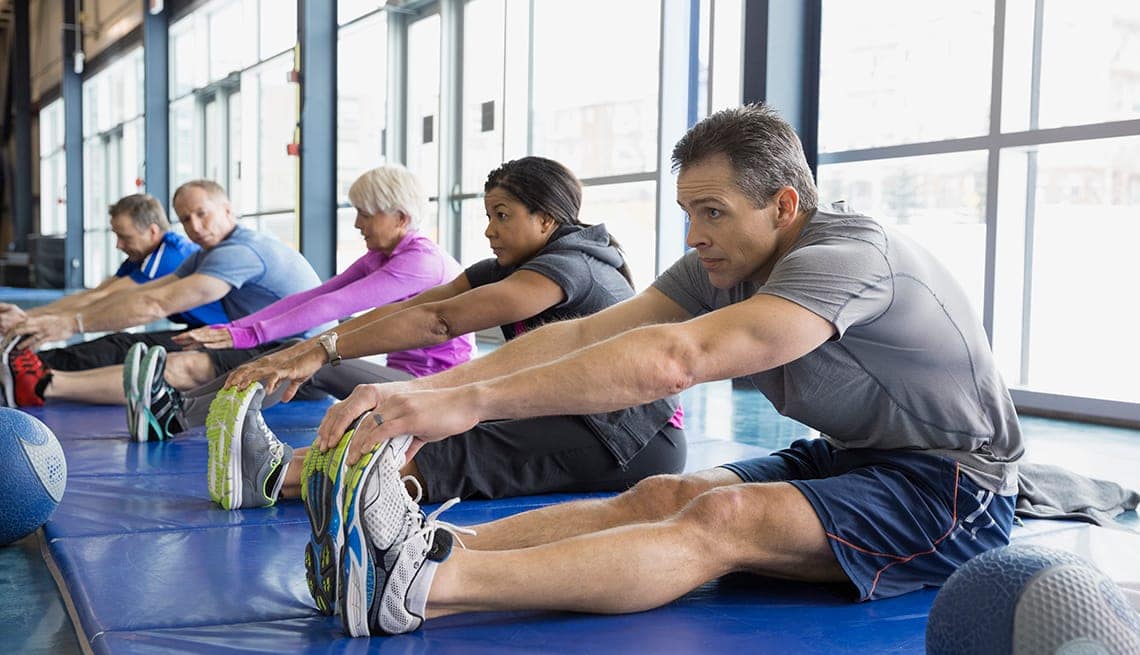
When it comes to long-term exercise, variety is key. Different forms of exercise offer their own health benefits, but a good mix is optimal. Walking, swimming, and cycling are all aerobic exercises that benefit your heart and endurance. Strength training is also important for maintaining flexibility and independence, as it helps preserve muscle mass and healthy bones. Yoga and other stretching and flexibility exercises can improve your joint range of motion and stability, reducing the risk of injury.
Simple things you do every day, like gardening, playing with your grandchildren, or doing chores, all count as beneficial exercise. The goal isn’t always to have an intense workout; it’s more about persevering and having fun. Choosing things that give you pleasure makes it easier to keep it up
For some, that might mean a brisk morning walk, while for others, it might mean yoga, Pilates, or a group fitness class. Also, pay attention to your body and adjust your activity based on what it tells you, especially if you have any health concerns. It’s always best to consult your healthcare provider before starting a new routine, especially if you have a chronic condition.
About Exercise and Healthy Aging
Is it too late to start exercising to stay healthy as you age?
However, it’s never too late. People who start exercising later can still reap benefits such as increased energy, strength, and flexibility. Starting small and gradually building up can make a big difference to your health and your life.
Which exercises are best for larger and older people?
Generally, the best exercises are low-impact exercises like walking, swimming, horseback riding, yoga, and tai chi. While these exercises are less stressful on the joints, they are still good for the heart, muscles, and flexibility.
Can exercise help prevent age-related diseases? Yes, daily exercise reduces the risk of many age-related diseases, such as cardiovascular disease, type 2 diabetes, osteoporosis, and dementia. It can also help people manage existing health conditions more easily, improving their quality of life.
How can older adults stay motivated to exercise regularly?
It’s easier to stay motivated if you enjoy exercise. Older adults can stay active and happy by doing things they enjoy, setting achievable goals, and exercising with friends or a group. Tracking your progress can also be helpful.
Do older adults need special equipment to exercise?
Not always. There are many exercises you can do at home without any equipment, such as stretching, bodyweight exercises, and balance exercises. Even if you don’t need them, simple tools like resistance bands or small dumbbells can help you build strength.
In short
Exercise is a great way to stay healthy and live long as you age. Older adults can stay active, stay fit, and improve their physical and mental health by staying busy. Regular exercise can reduce your risk of chronic disease, improve your mood, and increase your flexibility and balance. While we can’t stop aging, the choices we make can significantly impact how we feel. By exercising daily, you’ll not only live longer but also gain more energy. This ensures a better and brighter future.