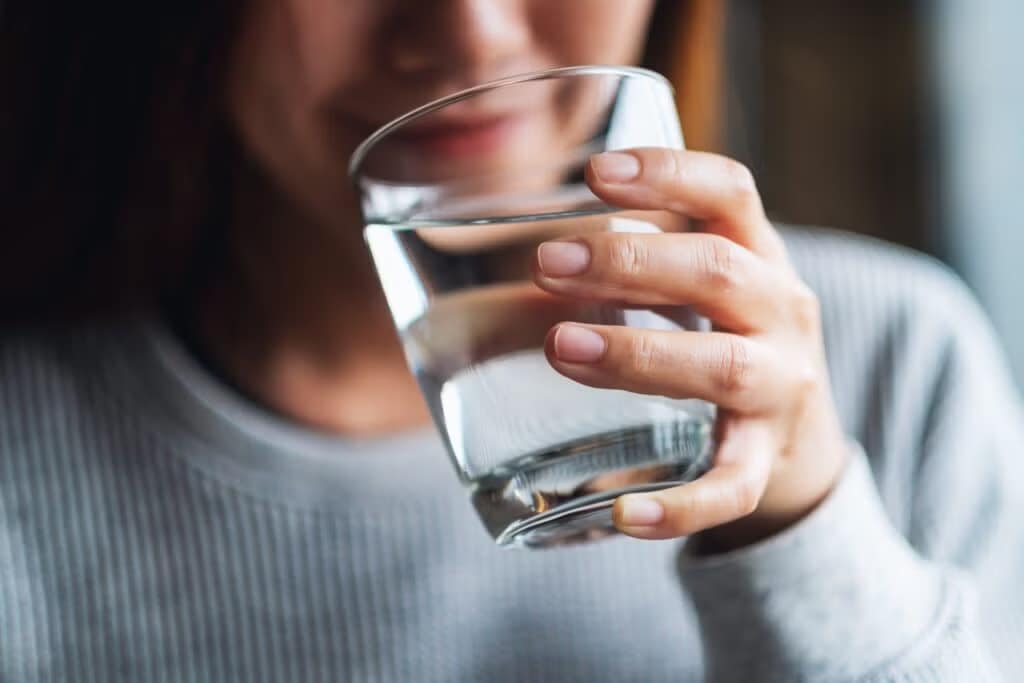
When discussing essential nutrients, most people immediately think of vitamins, minerals, proteins, and healthy fats. However, there’s one nutrient that surpasses all others in terms of immediate necessity for survival: water. Unlike other nutrients that your body can store for days or even weeks, water requires constant replenishment. Understanding why hydration deserves top priority in your nutrition plan can transform how you approach your daily health routine and overall well-being.
Water serves as the foundation for virtually every biological process in your body. From regulating temperature to transporting nutrients, this simple molecule plays complex roles that keep you alive and thriving. Yet despite its critical importance, many people consistently fail to meet their hydration needs, leading to decreased performance, poor health outcomes, and reduced quality of life.
This comprehensive guide explores why water earns its title as the most important nutrient, how much you actually need, and practical strategies to optimize your hydration for better health and performance.
The Vital Role of Water in the Body
Your body depends on water for survival more than any other nutrient. Comprising approximately 60% of adult body weight, water participates in countless physiological functions that keep your systems running smoothly.
Temperature regulation represents one of water’s most critical functions. Through sweating and respiration, your body uses water to maintain its core temperature within the narrow range necessary for optimal cellular function. When you become dehydrated, this cooling system becomes impaired, potentially leading to dangerous overheating.
Nutrient transportation relies entirely on water as the medium for delivering essential compounds throughout your body. Your blood, which is roughly 90% water, carries oxygen, vitamins, minerals, and glucose to every cell. Without adequate hydration, this delivery system becomes less efficient, compromising cellular health and energy production.
Water also serves as your body’s primary waste removal system. Your kidneys filter toxins and metabolic waste products from your blood, requiring sufficient water volume to function effectively. Dehydration forces your kidneys to work harder while reducing their ability to eliminate harmful substances.
Joint lubrication and cushioning depend on water-based synovial fluid that surrounds your joints. This fluid reduces friction between cartilage surfaces during movement and helps absorb shock. Chronic dehydration can contribute to joint stiffness and increased wear over time.
How Much Water Do You Need?
The standard recommendation of eight glasses per day provides a general starting point, but individual water needs vary significantly based on multiple factors. The National Academy of Medicine suggests approximately 15.5 cups (3.7 liters) of fluids daily for men and 11.5 cups (2.7 liters) for women, including water from all beverages and food sources.
Physical activity levels dramatically increase your hydration requirements. Exercise generates heat and triggers sweating, leading to fluid losses that must be replaced. Athletes or individuals engaging in intense physical activity may need 16-24 ounces of additional water per hour of exercise.
Environmental conditions also influence your water needs. Hot, humid weather increases sweat production, while cold environments and high altitudes can accelerate fluid loss through increased respiration. Air conditioning and heating systems create dry indoor environments that promote dehydration.
Individual factors such as overall health, pregnancy, breastfeeding, and certain medications affect your hydration requirements. Fever, vomiting, and diarrhea significantly increase fluid needs, while some medications have diuretic effects that promote water loss.
Signs of Dehydration
Recognizing dehydration symptoms allows you to address fluid deficits before they impact your health and performance. Your body provides several warning signs when water levels drop below optimal ranges.
Thirst represents your body’s primary alert system, but relying solely on thirst can be misleading. By the time you feel thirsty, you may already be mildly dehydrated. Additionally, the thirst mechanism becomes less reliable with age and during illness.
Urine color and frequency offer reliable indicators of hydration status. Well-hydrated individuals typically produce pale yellow urine every 2-4 hours. Dark yellow or amber-colored urine suggests dehydration, while infrequent urination indicates insufficient fluid intake.
Physical symptoms of dehydration include headaches, fatigue, dizziness, and dry mouth. More severe dehydration can cause muscle cramps, rapid heartbeat, and decreased blood pressure. These symptoms occur because water shortage affects blood volume and circulation.
Cognitive effects often appear early in dehydration and include difficulty concentrating, mood changes, and reduced mental clarity. Even mild dehydration can impair brain function, affecting decision-making and reaction times.
Hydration Strategies
Maintaining optimal hydration requires consistent effort throughout the day rather than attempting to drink large volumes at once. Effective strategies help you maintain steady fluid balance and prevent dehydration.
Start your day with water to replace fluids lost during sleep. Keep a glass of water beside your bed or drink a full glass upon waking to begin rehydration immediately.
Distribute intake evenly throughout the day rather than consuming large amounts infrequently. Sipping water regularly allows your body to absorb and utilize fluids more effectively than drinking large volumes at once.
Monitor your environment and adjust intake accordingly. Increase consumption during hot weather, in heated or air-conditioned spaces, and at high altitudes. Consider your activity level and plan additional hydration around exercise sessions.
Use technology and reminders to support consistent hydration habits. Water tracking apps, bottles with time markers, or simple phone alarms can help you maintain regular drinking patterns.
Water-Rich Foods
Approximately 20% of your daily fluid intake comes from food sources, making water-rich foods valuable contributors to overall hydration. These foods provide additional nutrients while supporting your hydration goals.
Fruits with high water content include watermelon (92% water), cantaloupe (90%), strawberries (91%), and oranges (87%). These options deliver essential vitamins and minerals alongside significant fluid contributions.
Vegetables such as cucumbers (96% water), lettuce (96%), tomatoes (94%), and bell peppers (92%) offer excellent hydration support. Incorporating these foods into meals and snacks helps boost overall fluid intake naturally.
Dairy products and broths contribute substantial amounts of water while providing proteins, minerals, and other nutrients. Milk, yogurt, and clear soups can effectively supplement your hydration strategy.
Hydration and Performance
Proper hydration directly impacts both physical and mental performance, making water intake a critical factor for optimal functioning in daily activities and athletic pursuits.
Physical performance suffers significantly when dehydration levels reach just 2% of body weight. Endurance capacity decreases, strength and power output decline, and recovery times increase. Maintaining hydration helps preserve exercise capacity and reduces injury risk.
Mental performance shows measurable improvements with adequate hydration. Studies demonstrate that proper fluid balance enhances concentration, memory, and mood while reducing fatigue and anxiety. Even mild dehydration can impair cognitive function by 10-15%.
Recovery and adaptation benefit from consistent hydration. Water facilitates nutrient delivery to muscles, supports protein synthesis, and helps remove metabolic waste products that accumulate during exercise.
Debunking Hydration Myths
Several persistent myths about hydration create confusion and potentially harmful practices. Understanding the facts helps you make informed decisions about your fluid intake.
Myth: Clear urine always indicates optimal hydration. While pale yellow urine generally suggests good hydration, completely clear urine may indicate overhydration, which can dilute essential electrolytes.
Myth: Coffee and tea don’t count toward hydration. Although caffeine has mild diuretic effects, caffeinated beverages still provide net hydration benefits and contribute to overall fluid intake.
Myth: You can’t drink too much water. Excessive water consumption can lead to hyponatremia, a dangerous condition where sodium levels become dangerously diluted. Balance remains key.
Daily Hydration Needs Chart
Activity Level | Additional Water Needed |
|---|---|
Sedentary | Baseline requirements |
Light exercise (1 hour) | +12-16 oz |
Moderate exercise (1 hour) | +16-24 oz |
Intense exercise (1 hour) | +24-36 oz |
Hot weather | +12-16 oz per hour |
High altitude | +16-24 oz per day |
Frequently Asked Questions
How can I tell if I’m drinking enough water?
Monitor your urine color and frequency as primary indicators. Pale yellow urine every 2-4 hours suggests adequate hydration. Additionally, pay attention to energy levels, skin elasticity, and absence of thirst between meals.
Is it possible to drink too much water?
Yes, excessive water consumption can lead to hyponatremia, where sodium levels become dangerously low. This typically occurs when consuming large volumes (more than 1 liter per hour) without replacing electrolytes. Listen to your body and maintain reasonable intake levels.
Do I need sports drinks instead of water?
For activities lasting less than an hour, water typically provides adequate hydration. Sports drinks become beneficial during prolonged, intense exercise when electrolyte replacement becomes necessary. Choose options with minimal added sugars for general hydration needs.
Can I meet my hydration needs through other beverages?
Yes, all beverages contribute to hydration, though water remains the optimal choice. Limit beverages high in caffeine, alcohol, or sugar, as these may have additional effects on your body. Herbal teas, diluted fruit juices, and milk offer good alternatives.
What’s the best time to drink water?
Distribute water intake evenly throughout the day rather than consuming large amounts at specific times. Start with water upon waking, drink before and during meals, and maintain steady intake between activities. Avoid excessive consumption immediately before sleep to prevent sleep disruption.
Your Foundation for Optimal Health
Water’s role as the most important nutrient cannot be overstated. This essential compound supports every biological process in your body, from basic cellular function to complex metabolic pathways. While other nutrients provide energy and building blocks for growth and repair, water creates the medium in which all these processes occur.
Prioritizing hydration through consistent daily intake, attention to individual needs, and incorporation of water-rich foods establishes the foundation for optimal health and performance. Remember that hydration is not just about drinking water when you’re thirsty—it’s about maintaining optimal fluid balance throughout each day to support your body’s incredible ability to function, adapt, and thrive.