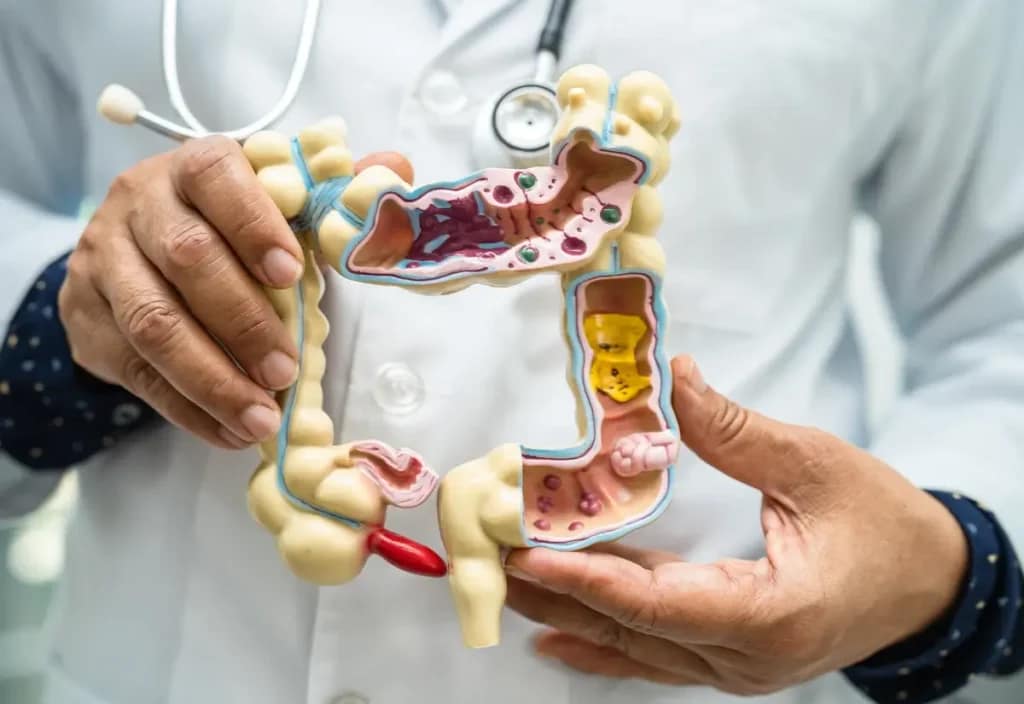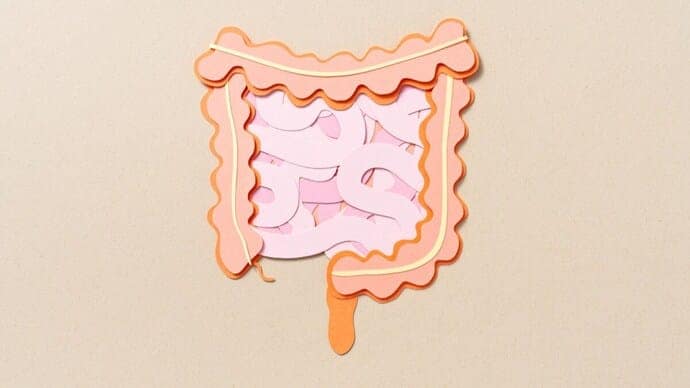
Your gut health is more important to your health as a whole than you might think. The gut is connected to many things in your body, including your immune system, mood, energy, and even how much you weigh. The gut microbiome is the link between these two things. The gut microbiome is a complex community of trillions of bacteria, fungi, and other creatures that live in your digestive tract. It’s good news that small, daily habits can make a big difference in your gut health and make you feel better.
This piece will talk about ten simple habits that are backed by science and easy to fit into your daily life that can help keep your gut healthy.
1. Eat more foods that are high in fiber
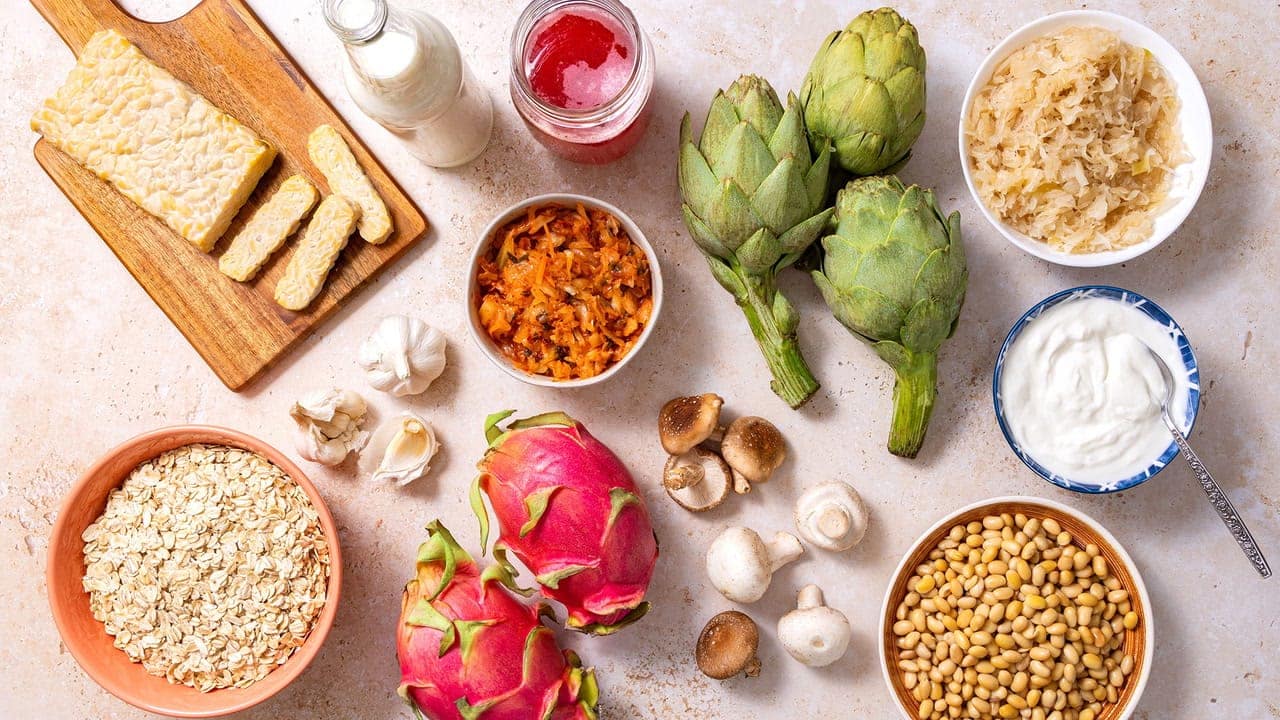
Fiber is what the bacteria in your gut need to grow. Fruits, veggies, whole grains, beans, and lentils are all examples of prebiotic foods. These foods feed good bacteria and help them grow. Fiber-rich foods not only help your body digest food better, but they also help control blood sugar, lower cholesterol, and keep your bowel movements normal.
Apples, oats, broccoli, and beans are all good sources of fiber that you should eat every day. Your microbiome will thank you in the long run by becoming more balanced and strong.
2. Drink enough water
Water is important for the gut’s health as well as for most other body functions. Staying wet helps your body break down food better, makes sure you absorb nutrients correctly, and keeps you from getting constipated.
Keep a portable water bottle close by and drink from it throughout the day. Herbal drinks and veggies that are high in water, like oranges and cucumbers, can also help you stay hydrated and give you extra nutrients.
3. Add foods that have been fermented
Probiotics are live good bacteria that can help improve your gut microbiome. Fermented foods like yogurt, kefir, pickles, kimchi, and kombucha are full of them. Regularly eating them helps spread the variety of good bugs and makes digestion better.
Start small if you’ve never eaten fermented foods before. A teaspoon of sauerkraut with each meal or a daily helping of yogurt can make a big difference.
4. Cut back on processed foods and sugar
Processed foods and too much sugar can throw off the balance of good and bad bacteria in your gut, which can help dangerous bacteria grow. This imbalance, called dysbiosis, can cause stomach problems, swelling, and even long-term health issues.
Eating whole, barely processed foods like nuts, seeds, fresh veggies, and lean meats can help keep your gut healthy and give your body the nutrients it needs.
5. Control your stress levels
The gut-brain axis connects your gut and brain directly. This means that worry can make digestion and bacterial balance worse. Having irritable bowel syndrome (IBS), bloating, or indigestion can be caused by long-term worry.
Managing your stress through yoga, meditation, writing in a journal, or even just taking a few minutes a day to do deep breathing can do a lot for your gut health.
6. Get enough good sleep
Your gut system and the rest of your body heal and repair themselves while you sleep. Gut bugs can get messed up when you don’t get enough sleep, which can lower your defense and make it harder for your body to handle food properly.
Try to get between 7 and 9 hours of good sleep every night. Having a regular sleep schedule, limited screen time before bed, and making your space more relaxed can all help your gut health and sleep.
7. Keep moving your body
Regular exercise is good for gut health because it improves digestion and increases the variety of microbes that live there. It also helps you feel less stressed and sleep better, which is good for your gut.
Simple things like yoga, walking, or riding a bike can help. You don’t have to work out hard—consistency is what counts. Almost every day of the week, try to do something modest for at least 30 minutes.
8. Try not to use antibiotics too much
Antibiotics are sometimes needed, but using them too often can mess up the gut microbiome by getting rid of both good and bad bacteria. It might take weeks or even months to fix this mismatch.
Antibiotics should only be taken when your doctor tells you to, and you might want to eat foods that are high in probiotics later to help your gut’s balance get back to normal.
9. Learn to eat with awareness
People who eat quickly often end up overeating, getting heartburn, or getting bloated. Mindful eating, on the other hand, lets your body digest food properly and take in nutrients.
Slow down, chew your food well, and pay attention to what you’re eating without phones or TVs around. Making this simple change every day will not only help your gut health but also make you feel fuller with less food.
10. Pay attention to your body
That’s why it’s important to pay attention to how different foods and habits make your gut feel. Some people feel great after eating dairy, while others may get gassy. In the same way, sensitive people may feel uncomfortable when they eat hot foods or drink coffee.
Writing down what you eat and your symptoms can help you find trends and make decisions that will improve your gut health in the long run.
Questions That Are Often Asked
How long does it take to get healthier in the gut?
When you start doing healthy things, you can often feel the difference in your gut health within a few weeks. Getting long-term balance may take a few months, though, based on what you eat and how you live.
Can you really get probiotics to work?
Yes, probiotics can be helpful, especially when you’re coming off of drugs or trying to improve your gut. However, how well they work depends on the strain and the person’s wants. It is usually more helpful to eat things that are high in probiotics along with prebiotics than to just take pills.
Can worry by itself make gut problems happen?
Of course. Hormonal changes caused by stress have a direct effect on digestion and can cause signs like gas, diarrhea, or constipation. Taking care of your stress is important for keeping your gut healthy.
What are some signs that your gut health is bad?
Some common symptoms are bloating, gas, diarrhea, constipation, feeling tired for no reason, and having trouble digesting certain foods. If these signs don’t go away, you should talk to a doctor or nurse.
Should I stay away from all sugar to keep my gut healthy?
Not all the time. You can eat natural sugars like those in fruits and cheese as part of a healthy diet. The main worry is that prepared foods have too much extra sugar, which can feed bad bugs and throw off the balance in the gut.
In conclusion
It’s important to take care of your gut health because it affects everything from your immune system to your mood. You can build a healthy gut environment that lasts for a long time by doing easy things like drinking more water, eating more fiber, and adding fermented foods into your daily routine.
Consistency is key—little things done every day add up over time. You can improve your gut health and feel more energetic, resilient, and alive in general by paying attention to your body and making mindful choices.