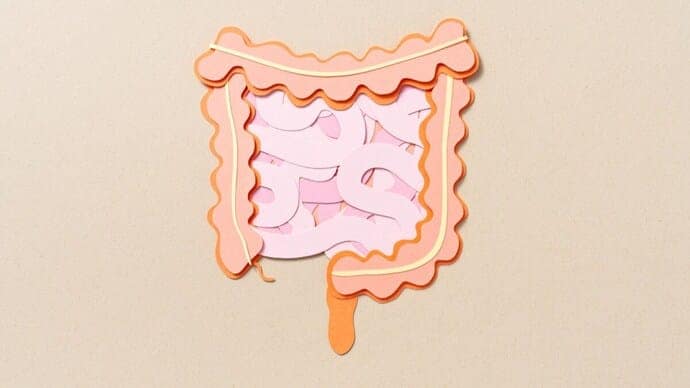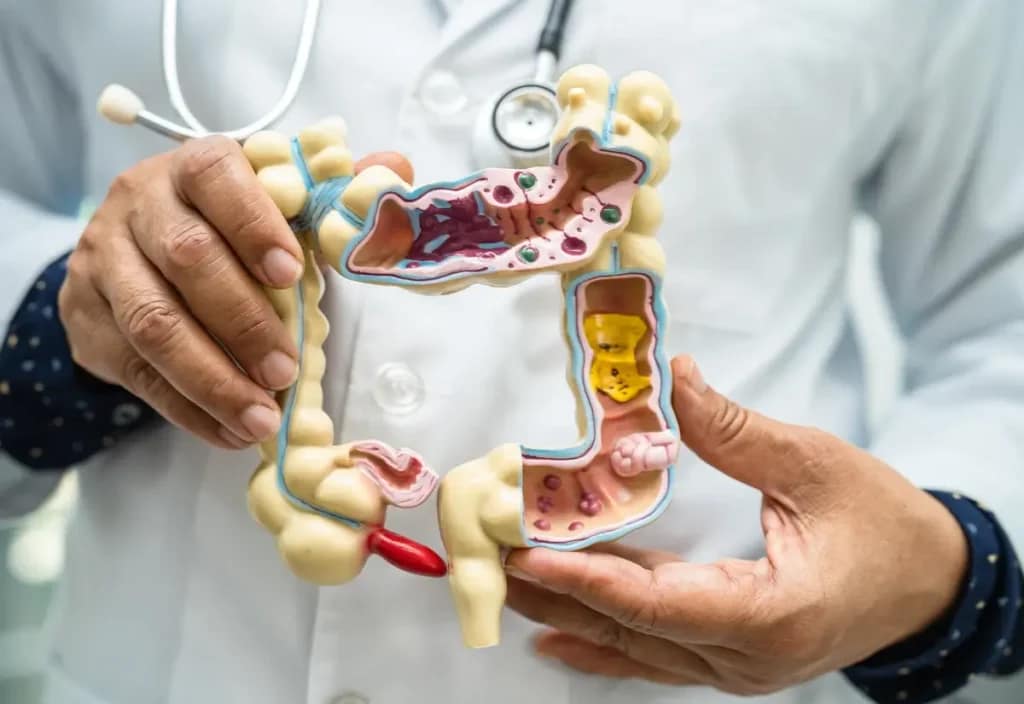
A healthy gut is essential for good overall health. It not only promotes digestion but also strengthens the immune system, breaks down nutrients, and even improves mental well-being. Your body often sounds the alarm when something is wrong with your gut. Unfortunately, many people ignore these warning signs, thinking it’s just stress, fatigue, or bad habits. However, ignoring these signals can ultimately lead to long-term health problems. Understanding the signs of poor gut health can help you make changes before the problem worsens.
In this article, we discuss the most common signs of poor gut health, why they occur, and how you can restore balance.
Persistent Stomach Issues
Persistent stomach issues are a clear sign of poor gut health. When your gut flora is out of balance, it can lead to heartburn, diarrhea, bloating, or gas. These problems occur when there is an excess of harmful bacteria in the gut and a deficiency of beneficial bacteria, disrupting the body’s normal nutritional processes.
Occasional pain is normal, but frequent aches and pains are cause for concern. A poorly functioning gut can make it difficult to break down nutrients, leading to pain and irregular bowel movements. A healthy gut digests food better.
Persistent Fatigue and Low Energy
If you feel tired, even after getting enough sleep, it could be due to poor gut health. When your gut is unhealthy, it’s harder to absorb nutrients like minerals and vitamins, which are needed for energy production. Poor gut health has also been linked to sleep problems and persistent fatigue.
An imbalanced gut can cause inflammation, which can lower your energy levels. Fatigue, in turn, can make it harder to maintain healthy habits, further worsening your gut health.
Frequent Illness and a Weak Immune System
Did you know that your gut contains about 70% of your immune system? When your microbiome is healthy, it protects you from harmful pathogens. However, if your gut is unhealthy, your immune system weakens, making you more susceptible to colds, illnesses, and allergies.
If you get sick more often or take longer to recover, your gut health might be telling you otherwise. A healthy diet and foods rich in probiotics can keep your immune system strong.
Unexplained Weight Changes
Unexpected weight gain or loss that doesn’t correspond with changes in diet or exercise can be a sign of a gut problem. When your microbiome is out of balance, your body struggles to regulate blood sugar levels, store fat, and absorb nutrients properly.
If your gut is unhealthy, you might crave processed or sugary foods, which can lead to weight gain. On the other hand, poor nutrient absorption, even when you’re consuming enough calories, can lead to weight loss. Monitoring these changes can help you detect gut problems early.
Skin Problems and Inflammation
Your skin often reflects the health of your gut. Acne, eczema, rosacea, and psoriasis are all linked to gut issues and systemic inflammation. If you suffer from leaky gut syndrome or digestive problems, toxins can build up in your body, leading to sensitive skin or chronic flare-ups.
You can improve your gut health by eating anti-inflammatory foods, drinking plenty of fluids, and taking probiotics. This is often reflected in the way your face looks and feels. This connection is sometimes called the “gut-skin axis,” indicating that our inner and outer health are closely linked.
Mood swings and mental health issues
The gut-brain axis connects the gut to the brain. This means that your digestive system directly affects your mental health. Gut conditions can hinder the production of serotonin, a chemical that regulates happiness and mood.
If you often feel down, worried, or even sad, your gut health may be more important than you think. Taking good care of your gut through nutrition, stress reduction, and a good night’s sleep is not only good for your stomach but also improves your mood.
Poor Oral Health and Bad Breath
Poor gut health can sometimes lead to bad breath, a persistent, long-lasting odor. When the digestive system can’t digest food properly, it can lead to an overgrowth of harmful bacteria, which produces foul-smelling gas.
- Bowel changes can also contribute to gum disease and other oral health problems.
- Blood circulation and activating an immune system response.
- Identifying and treating food intolerances can relieve gut stress and help your gut gradually recover.
Frequent sugar cravings
Is it because you’re eating too much sugar? Your gut might be telling you. If your gut is unhealthy, you might actually crave sweets and processed carbohydrates. Harmful bacteria thrive on sugar, and the more you eat, the more bacteria there are, creating a deadly cycle.
By including plenty of fiber-rich foods, lean meats, and probiotics in your diet, you can control these cravings and maintain a healthy gut.
Frequently asked questions about gut health
How do I know if my gut health is improving?
Better digestion, more regular bowel movements, more energy, fewer sugar cravings, and healthier skin are all signs that my gut health is improving.
Is stress really harmful to my gut health?
The gut-brain connection is directly affected by stress. Chronic anxiety can interfere with eating, disrupt the balance of gut bacteria, and cause inflammation.
Should I take probiotics if my gut isn’t functioning properly?
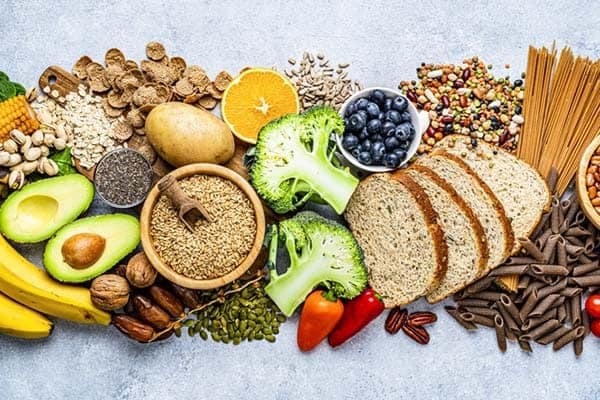
Probiotics can certainly help, but they work best when combined with a healthy, fiber-rich diet, such as fruits, vegetables, and whole grains.
How long does it take to recover from an unhealthy gut?
The recovery time depends on your lifestyle, diet, and the severity of the imbalance in your gut flora. Some people see changes within a few weeks, while others can take months.
Which foods are best for healthy gut flora?
Yogurt, kefir, and kimchi are all rich in probiotics. Garlic, onions, bananas, and oats are all rich in prebiotics.
In short
Your gut is an important part of your health, not just your digestive system. When your body is out of balance, it lets you know through digestive issues, fatigue, skin problems, mood swings, and other symptoms. You can recognize these signs early and adjust your lifestyle, such as improving your diet, managing stress better, and getting enough rest, to restore balance and maintain your long-term health.
A healthy gut is essential for a long and fulfilling life. To take care of your gut today, listen to your body and pay attention to these signals. Your gut will thank you from the inside out.