A healthy gut is more than just a smooth digestive system—it’s the foundation of your overall well-being. From immunity and energy levels to mood and mental clarity, your gut microbiome plays a powerful role in how you feel each day. But maintaining this delicate balance requires the right support, and that’s where probiotics and prebiotics come in. These two work hand in hand to nourish your gut, strengthen your immune system, and give your body the fuel it needs to thrive.
In this article, we’ll explore the fascinating role of probiotics and prebiotics in gut health, how they work together, and the best ways to incorporate them into your diet for long-term benefits.
Understanding the Gut Microbiome
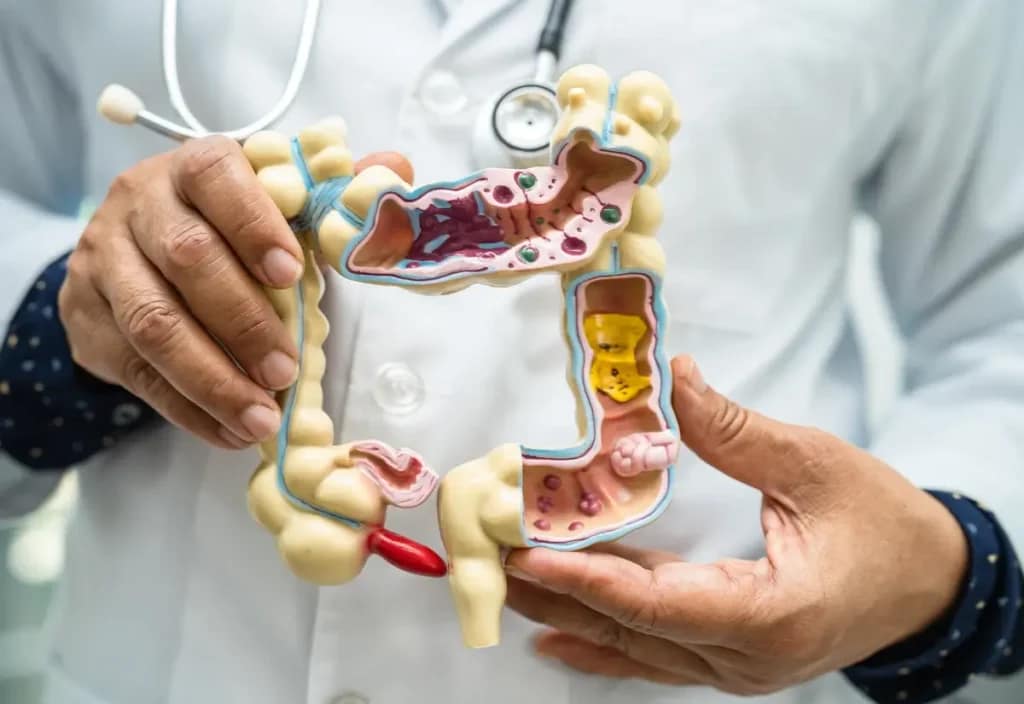
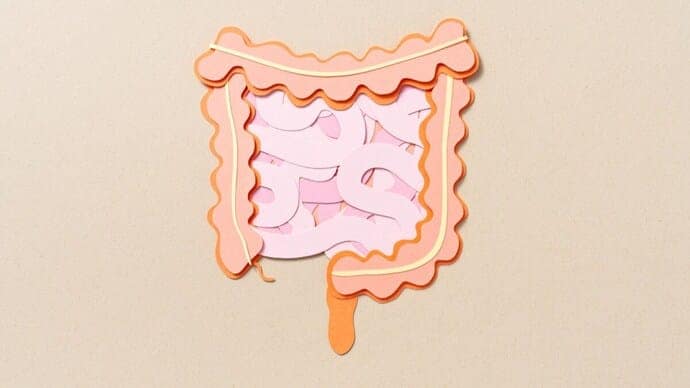
The gut microbiome refers to the trillions of bacteria, fungi, and other microorganisms that live in your digestive system. While the idea of having bacteria in your body might sound alarming, many of these microbes are incredibly beneficial. They help break down food, absorb nutrients, regulate the immune system, and even produce certain vitamins.
However, lifestyle factors such as poor diet, stress, lack of sleep, and antibiotics can disrupt this microbial balance, leading to digestive issues, weakened immunity, and fatigue. That’s why feeding your gut the right nutrients, like probiotics and prebiotics, is so important.
What Are Probiotics?
Probiotics are live, beneficial bacteria that help restore and maintain balance in the gut microbiome. Think of them as the “good guys” that keep harmful bacteria under control. When consumed in adequate amounts, probiotics can:
- Improve digestion and nutrient absorption
- Reduce bloating and gas
- Strengthen immune defenses
- Support mental well-being by influencing the gut-brain connection
Common probiotic-rich foods include yogurt, kefir, sauerkraut, kimchi, miso, and kombucha. You can also find probiotics in dietary supplements, often labeled with strains like Lactobacillus and Bifidobacterium, which are well-studied for their health benefits.
What Are Prebiotics?
While probiotics are live bacteria, prebiotics are non-digestible fibers that serve as food for these beneficial microbes. They help probiotics thrive and multiply, creating a healthier and more resilient gut environment. Without prebiotics, probiotics cannot function at their full potential.
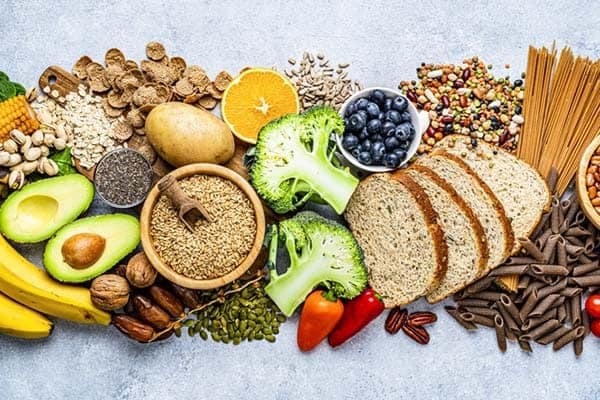
Foods naturally rich in prebiotics include:
- Garlic
- Onions
- Bananas
- Asparagus
- Oats
- Apples
By consistently feeding your good gut bacteria with prebiotics, you allow them to flourish, which in turn supports digestion, immunity, and overall health.
How Probiotics and Prebiotics Work Together
Probiotics and prebiotics complement each other in a powerful way, often referred to as a synbiotic relationship. Probiotics introduce healthy bacteria into the gut, while prebiotics provide the nourishment these bacteria need to grow and thrive. Together, they:
- Restore balance after antibiotic use
- Enhance nutrient absorption, especially minerals like calcium and magnesium
- Boost immune system resilience
- Reduce inflammation in the digestive tract
- Support stable energy levels throughout the day
Think of probiotics as planting seeds in a garden and prebiotics as the fertilizer that helps those seeds grow strong and healthy.
Benefits of a Healthy Gut Supported by Probiotics and Prebiotics
When your gut microbiome is supported by both probiotics and prebiotics, the results are far-reaching. Some of the most significant benefits include:
Better Digestion
A healthy gut helps reduce constipation, diarrhea, bloating, and other uncomfortable digestive issues.
Stronger Immunity
Since about 70% of the immune system is located in the gut, keeping it healthy helps your body defend against infections and illnesses.
Increased Energy
Efficient digestion and nutrient absorption mean your body has more fuel to keep you energized and focused.
Improved Mental Health
Research shows a strong link between gut health and mood. A balanced gut can reduce symptoms of anxiety and depression.
Long-Term Wellness
A gut supported by probiotics and prebiotics may reduce the risk of chronic conditions like obesity, diabetes, and heart disease.
Best Ways to Add Probiotics and Prebiotics to Your Diet
Incorporating probiotics and prebiotics into your daily routine doesn’t have to be complicated. Here are some simple tips:
- Start your day with yogurt or kefir for a probiotic boost.
- Add garlic, onions, or leeks to your cooking for a natural prebiotic source.
- Snack on bananas or apples to feed your gut bacteria.
- Enjoy fermented foods like sauerkraut, miso, or kimchi with meals.
- Consider supplements if your diet lacks variety, but consult a healthcare professional first.
Consistency is key—regular intake will provide the best long-term results.
Frequently Asked Questions (FAQ)
1. Do I need both probiotics and prebiotics for a healthy gut?
Yes. Probiotics introduce good bacteria, while prebiotics help those bacteria thrive. Together, they provide the strongest gut health benefits.
2. Can I get enough probiotics and prebiotics from food alone?
Many people can meet their needs through a balanced diet rich in fermented foods, fruits, vegetables, and whole grains. However, supplements can be helpful if your diet is limited or you’re recovering from antibiotics.
3. How long does it take to see results from probiotics and prebiotics?
Results vary, but most people notice improvements in digestion and energy within a few weeks of consistent intake.
4. Are probiotic supplements safe?
For most healthy adults, probiotic supplements are safe. However, individuals with weakened immune systems or underlying health conditions should consult a doctor before starting.
5. Can children benefit from probiotics and prebiotics?
Yes, children can benefit, but it’s best to consult a pediatrician to determine the right types and amounts for their needs.
Conclusion
Your gut is at the center of your health, influencing everything from immunity and energy to mood and long-term wellness. Probiotics and prebiotics play a vital role in keeping your gut balanced and resilient. Probiotics supply the beneficial bacteria your gut needs, while prebiotics feed and strengthen them. Together, they form a powerful partnership that supports digestion, boosts immunity, and enhances your overall well-being.
By incorporating probiotic-rich foods like yogurt and sauerkraut, along with prebiotic-rich foods like garlic, onions, and bananas, you can give your body the support it needs to thrive. A strong, healthy gut isn’t just about better digestion—it’s about living a healthier, more energetic, and more balanced life.