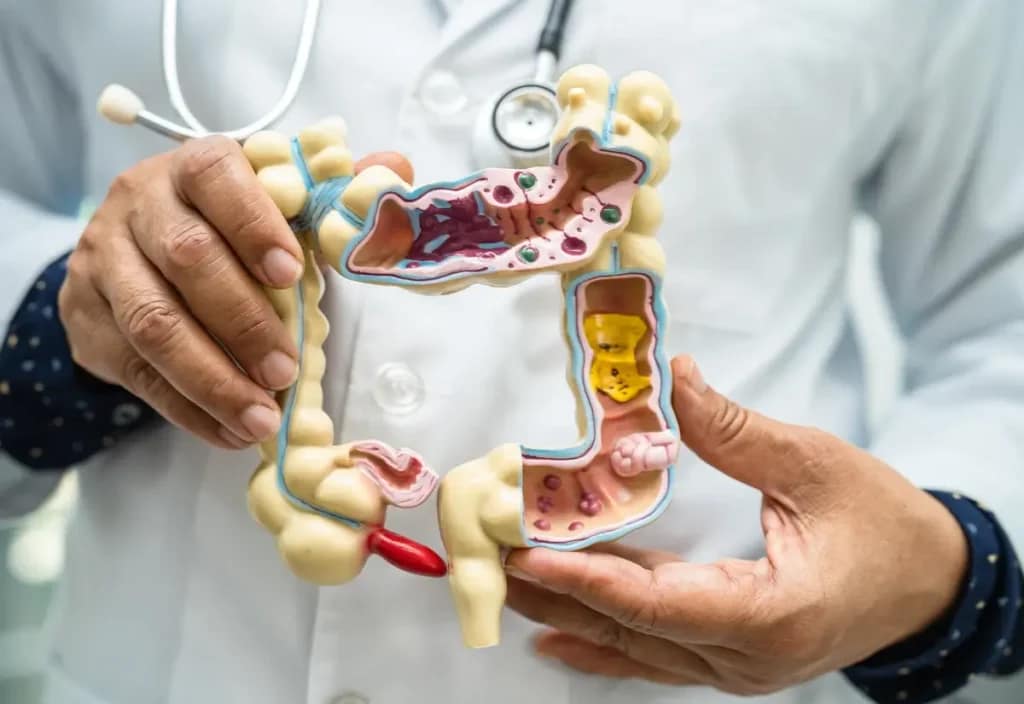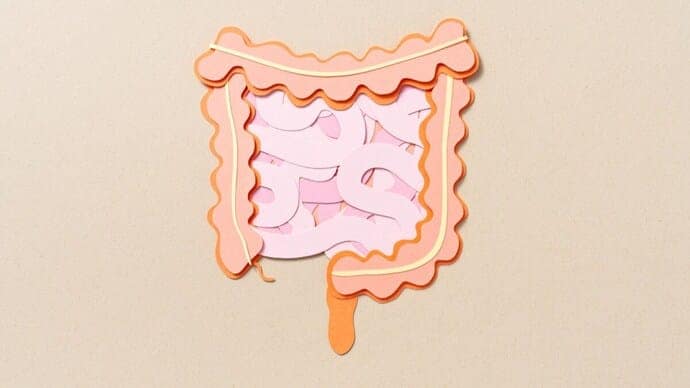
A healthy gut is essential for good overall health. A healthy gut helps your body absorb nutrients better, keeps your immune system strong, and improves your mood. Digestive problems, on the other hand, can cause unpleasant symptoms like gas, bloating, constipation, heartburn, and fatigue. The good news is that improving gut health can sometimes be as simple as adjusting your lifestyle or buying expensive vitamins. Small changes to your diet can have a big impact on how your gut feels and functions.
This article explores some simple, natural dietary changes that can strengthen your digestive system and improve gut health. These changes are easy to incorporate into your daily routine and will benefit your physical and mental health in the long run.
Start gradually and eat more fiber
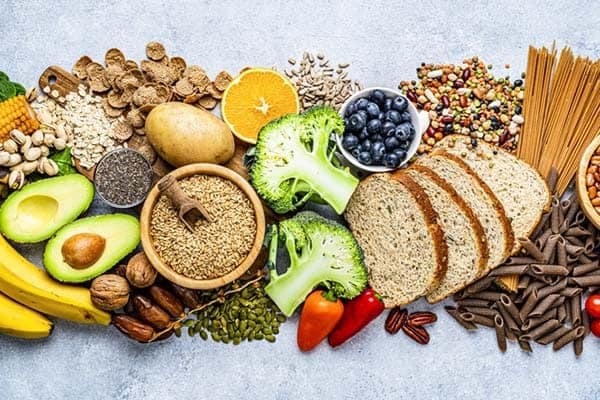
Fiber is one of the best nutrients for a healthy gut. It makes stools softer, promotes regularity, and promotes healthy gut flora. Insoluble fiber, found in whole grains and vegetables, helps food move more quickly through the digestive system. Soluble fiber, found in oats, apples, and beans, helps regulate blood sugar levels and softens stools.
However, a sudden increase in your fiber intake can cause discomfort or bloating. To prevent this, gradually add fiber-rich foods to your diet and drink plenty of water during this time. Small changes, such as replacing white bread with whole wheat bread or adding more vegetables to your dinner, can help you gradually increase your food intake. Over time, your intestines will adjust to these changes, and digestion will improve.
Drink plenty of water to promote digestion
Water is an essential part of nutrition. It helps break down food so your body can absorb the nutrients. It also softens stools, preventing constipation. Dehydration slows digestion and makes it harder for your body to eliminate waste.
Skip beer or drinks with a lot of sugar. Instead, drink plain water, herbal tea, or water with fruit. Aim for at least 6-8 glasses of water per day, but your needs may vary depending on your activity level and weather conditions. One of the simplest and most effective ways to support your digestion is to drink plenty of water every day.
Probiotic-Rich Foods
Probiotics are beneficial bacteria that contribute to healthy gut flora. Healthy gut flora not only promotes digestion but also contributes to better health and reduced irritability. Probiotics are naturally found in fermented foods such as yogurt, kefir, kimchi, cabbage, and miso.
Adding these foods to your diet can help your body digest food better, reduce gas, and absorb nutrients more effectively. A small change can make a big difference: eat yogurt for breakfast or enjoy kimchi as a side dish with a meal. Some pills contain probiotics, but foods that naturally contain them are often more effective and provide additional nutrients.
Reduce your intake of processed foods and sugary drinks
Processed foods often contain high levels of harmful fats, refined carbohydrates, and artificial ingredients, which can disrupt the balance of your gut flora. High sugar levels, in particular, can promote the growth of harmful bacteria and yeast in your gut, leading to stomach discomfort such as gas and bloating.
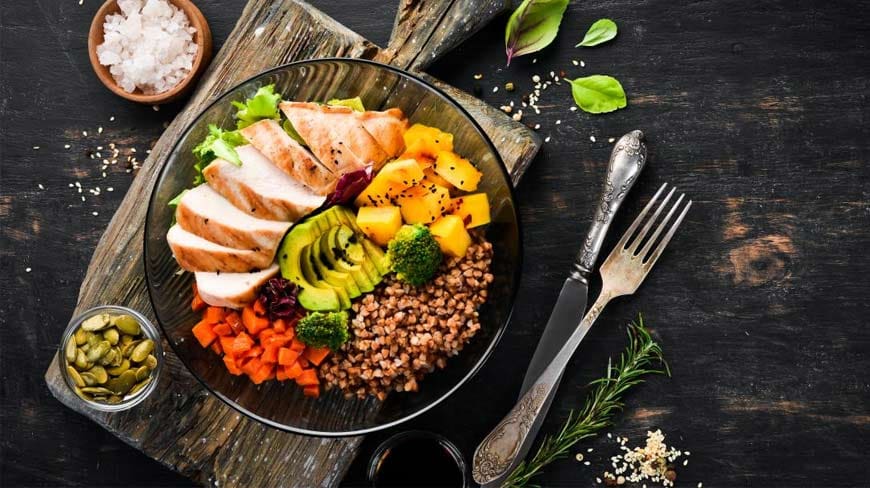
Protect your gut health by limiting sugary snacks, fried foods, and meals with many processed ingredients. Instead, focus on nutrient-rich, unprocessed foods like vegetables, fruits, lean meats, and unprocessed carbohydrates. Cooking at home not only gives you more control over your food intake but also reduces your reliance on processed foods.
Enjoy healthy fats in small amounts
The omega-3 fatty acids in salmon, chia seeds, and walnuts, for example, are beneficial for digestion. They also help your body absorb vitamins A, D, E, and K, which are dissolved in fat.
But balance is key. Eating too much can slow down your stomach and make you feel unwell. To keep your gut healthy without overloading it, consume healthy fats in small amounts, such as olive oil on vegetables or avocado in a salad.
Chew your food slowly and thoroughly
Digestion begins in the mouth. Chewing thoroughly breaks food down into smaller pieces, making it easier for the stomach and liver to digest.
Consume beneficial bacteria
Simple things like oatmeal with banana slices for breakfast or adding garlic and onions to your dinner are natural ways to supplement your prebiotic intake. Prebiotics combined with probiotics are a powerful combination that helps maintain a balanced gut.
Note for people with food intolerances
Food intolerances or allergies can sometimes cause stomach pain. Lactose, gluten, or high-fat foods are often the culprits. If you regularly experience gas, stomach pain, or diarrhea after eating certain foods, keeping a food diary can help pinpoint the problem.
Eliminating or reducing your intake of these foods can improve digestion and help you feel better. However, before making any major changes to your diet, it’s advisable to consult a doctor or dietitian to ensure you’re still getting all the nutrients you need.
If you want to improve your digestion naturally
How long does it take for your stomach to recover after a dietary change?
Depending on the changes, most people feel better within a few days to a few weeks. Small changes over time, such as increasing your fiber or probiotic intake, often yield faster results.
Do you need vitamin supplements for gut health?
Supplements can sometimes help, but not always. Many people can achieve optimal gut health by eating whole foods, drinking enough fluids, and paying attention to their diet.
Does stress make food harder to digest?
Yes, stress can significantly impact heart health. It can slow digestion, cause bloating, and worsen conditions like irritable bowel syndrome (IBS). Learning to manage stress can improve gut health.
What is the difference between prebiotics and probiotics?
Probiotics are live, beneficial bacteria found in fermented foods. Prebiotics are grains that provide nutrients for probiotics. They work together to keep gut bacteria healthy.
Do I need to cut out all processed foods to improve my gut health?
Not always. While reducing processed foods is good, it’s also important to eat a balanced diet. It’s okay to treat yourself occasionally, as long as you eat primarily nutrient-rich, unprocessed foods.
In Short
Improving your gut health isn’t difficult. Small changes you can make consistently, like eating more fiber, drinking more water, adding probiotics and prebiotics to your diet, and reducing processed foods, can yield big results in the long run. By paying attention to your body, eating mindfully, and choosing nutrient-rich foods, you can easily improve your gut and overall health.
A healthy gut not only makes you feel better after meals, but also strengthens your immune system, gives you more energy, and even improves your mental health. Make one or two changes today and your digestion will be on the mend in no time.