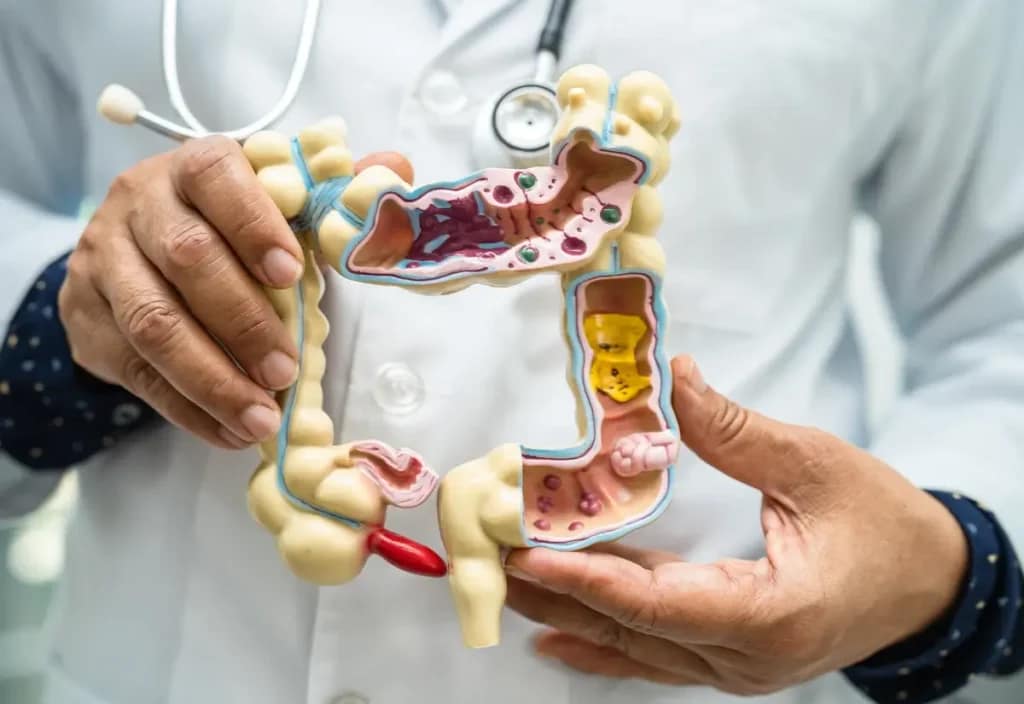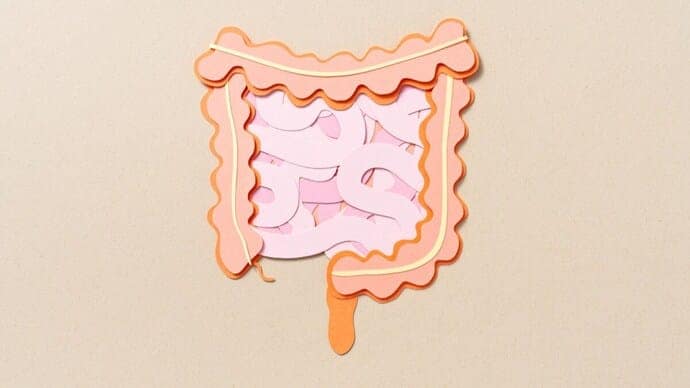
Every part of the body works together to keep the whole functioning. When most people hear the word “gut,” they think of digestion. But fascinating research over the past decade has shown that the gut and the brain are intimately connected. This close connection, known as the “gut-brain axis,” is crucial for both emotional and physical health. It may sound strange that your gut can influence your mood, stress levels, and even your mental clarity, but it’s true.
We explore the secret connection between gut health and mental health, why it’s so important, and how you can balance both for a better and happier life.
How the Gut-Brain Axis Works
A multitude of nerves, hormones, and chemicals connect the gut to the brain. The gut and brain have a clear connection via the vagus nerve. In other words, a healthy gut microbiome (the trillions of bacteria in your food system) can improve your well-being and mental health. On the other hand, an unhealthy gut can send signals that worsen worry, anxiety, and even sadness.
How the Microbiome Affects Mental Health
The microbiome refers to the collection of bacteria, fungi, and other microorganisms that live in the gut. These bacteria not only help digest food but also produce important mood-regulating chemicals like serotonin and dopamine. In fact, about 90% of serotonin is produced in the gut, not the brain.
A healthy and abundant microbiome creates an environment that contributes to a stable brain and mood. However, if the microbiome is out of balance (perhaps due to an unhealthy diet, stress, or medications), it can cause inflammation and disrupt neurotransmitter production, which can exacerbate mood problems.
The Impact of Stress on Gut Health
Ever wondered how stress can cause you to lose your appetite or get a stomachache? Here’s how the gut-brain connection works. The stress hormone cortisol is released in your body when you’re stressed. This disrupts your diet and upsets the balance of your gut microbiome. Chronic, persistent stress can damage the intestinal lining, leading to a “leaky gut.” This condition allows dangerous substances to leak into the bloodstream, causing inflammation and worsening sadness and anxiety.
The Link Between Gut Health and Anxiety
Anxiety is one of the most common mental health problems worldwide, and research suggests that gut health may play a role in anxiety disorders. Certain types of probiotics, often called “psychobiotics,” have been shown to help people with anxiety by reducing inflammation and secreting hormones that promote calmness. Taking care of your gut with the right diet and habits can easily reduce stress and worry.
Gut Health and Depression
Interest in the link between sadness and gut health is growing. One study found that people with depression often have lower gut microbial diversity. This imbalance can increase inflammation and suppress serotonin production, worsening depressive symptoms. In addition to conventional treatments, improving gut health through nutrition, vitamins, and a mindful lifestyle can lay the foundation for better mental health.
Food for Your Gut and Brain
Your diet is crucial for maintaining a healthy brain and gut. Fruits, vegetables, legumes, and whole grains are rich in fiber, which feeds the good bacteria in your gut. Probiotics, found in fermented foods like yogurt, kefir, kimchi, and cabbage, can help restore the microbial balance in your gut. Omega-3 fatty acids, found in salmon, chia seeds, and walnuts, are also said to help your brain function better and reduce inflammation.
On the other hand, processed foods, excess sugar, and artificial ingredients can harm your gut bacteria and make you feel unwell. A diet rich in natural, unprocessed foods can significantly improve your gut and mental health.
Lifestyles that strengthen the gut-brain connection
Changing the gut-brain connection isn’t just about your diet. Regular exercise releases endorphins, which make you feel good and improve your digestion. It also increases the diversity of bacteria in your gut. Adequate sleep is crucial for the recovery of both your brain and your gut. Meditation, yoga, and deep breathing are all great ways to manage stress, lower cortisol levels, and protect gut health. Over time, small changes in your habits can have a big impact.
Consult with your doctor or nurse before starting a vitamin program. This will help you choose the best approach for your needs.
Frequently Asked Questions
Does my gut health really affect my mood?
Yes, your gut produces many hormones, such as serotonin, that directly affect your mood. An imbalanced gut flora can exacerbate worry and anxiety, while healthy gut flora helps regulate your mood.
How long does it take for your mood to change after improving your gut health?
Gut-healthy habits, such as eating more fiber and fermented foods, have different effects for everyone, but many people report improvements in their gut and mood within a few weeks.
Are probiotics enough to improve your mood?
Probiotics can certainly help, but they work best when combined with a healthy, nutritious diet, regular exercise, stress management, and good sleep habits.
What are some signs that your gut health is poor?
Common symptoms include bloating, indigestion, delayed bowel movements, food intolerances, fatigue, and frequent mood swings. These can all be signs of an imbalanced gut flora.
Is anxiety itself harmful to gut health?
Yes. Chronic stress can increase cortisol levels, which can affect digestion, alter the microbiome, and cause inflammation that affects both the brain and the gut.
Summary
The impact of gut health on mental health is no longer just rumor; it’s been researched and proven. Your gut bacteria directly influence your mood, calm you, and help you think clearly. You can improve the gut-brain connection and build a solid foundation for your mental health by eating nutritious foods, managing stress, exercising regularly, and considering probiotics.
Taking good care of your gut not only prevents stomach aches but also helps you maintain a healthy and happy state of mind. Taking good care of your gut is one of the best things you can do to bring more balance to your life, as it also benefits your mental health.